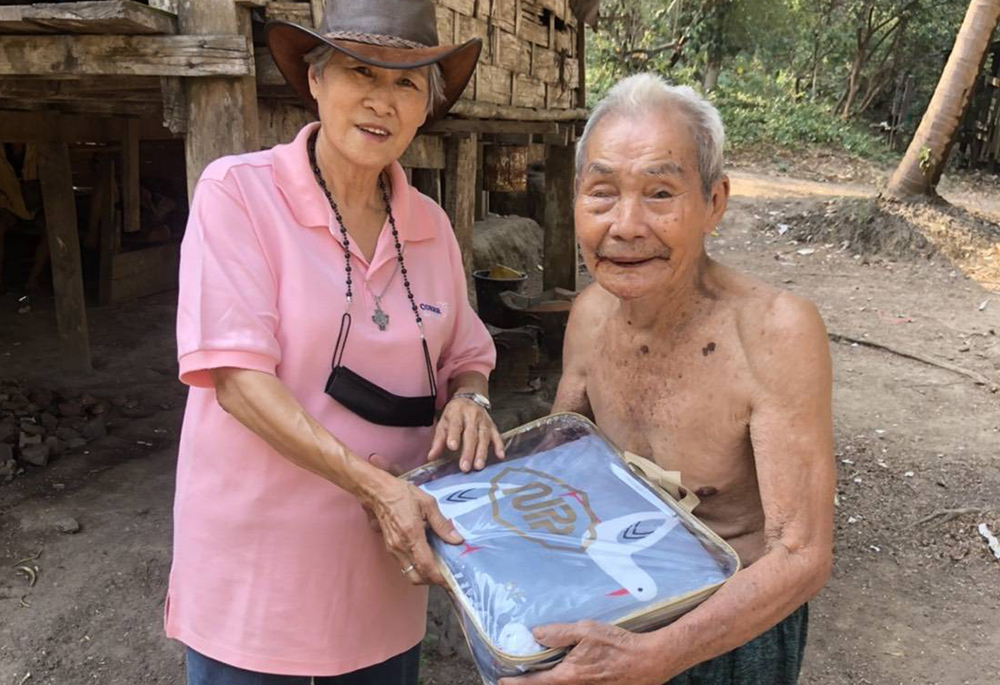
Presentation Sr. Cecilia Phetpanomporn gives blankets to a refugee at a camp on the border between Thailand and Myanmar. (Courtesy of Good Shepherd International Foundation)
by Sr. Cecilia Phetpanomporn
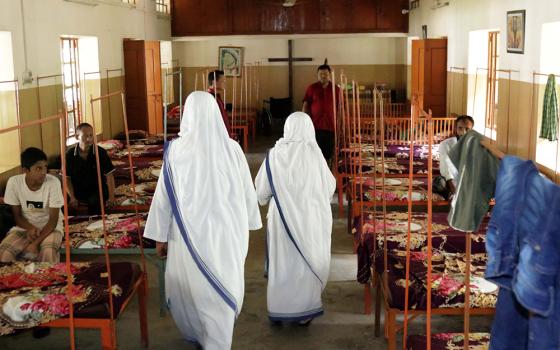
I spent 28 years with families in refugee camps, and most recently the Karen people from Myanmar. Thailand has a history since the 1940s of welcoming refugees from surrounding conflict areas, including China, Indochina and Malaysia, and now mostly from Myanmar. The Thai government and United Nations provided security and shelter and other services came from NGOs and church groups.
I was director of the Catholic Office for Emergency Relief and Refugees for the Ratchaburi Diocese. Our program for nine camps was titled Peace and Reconciliation. We distributed food and other needed goods like blankets and milk received from donors or bought with donor contributions.
Myanmar refugees continue crossing into Thailand because their government continues to send military groups to burn their homes, usually at night, so they run for safety with only the clothes on their backs. Most flee without identity documents, making it difficult later to move into other countries. People can live 20-plus years in camps.
Arriving at the Thai border, families are herded into camps, where they find shelter, but no way to work or support themselves, driving them into dependency on international food provisions and other services. Refugees do not enjoy this kind of dependency. Proof for me was watching families start small businesses to generate their own income. Women would sew garments or cook foods to sell to other camp occupants. Men did carpentry to build shelters or furniture that could be sold, again, within the camp confines.
The saddest part of my work was witnessing how safety from military violence freed people bodily, but did not free them from the trauma of watching homes destroyed or memories of terror they had undergone. Men lost self-esteem and became depressed. Most women had suffered rape, and it was not only their bodies that bore physical injuries but spirits bore the wounds of abuse, suffering both cultural and family shame through no fault of their own. Suicide was a frequent solution. There was also collective community grief, depression and loneliness from being homeless and uncertain about the future.
Our teams, very aware of post-trauma effects, developed programs for interaction where people could share their pain, not that these fully relieved the sense of loss and isolation. Children also suffered from the losses and trauma, but had one advantage. They could attend school both within and outside the camps during the day whereas their parents were in a kind of perpetual prison.
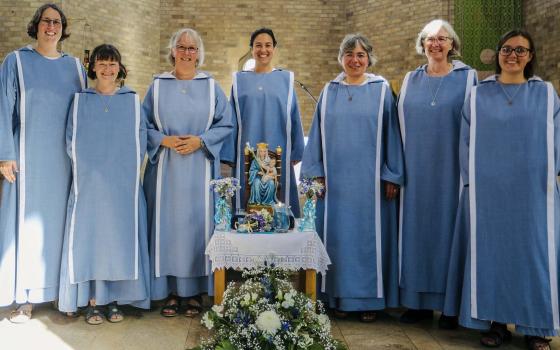
I have often reflected on how fortunate I had been to have worked with and loved these people. My congregation was generous in allowing me to do this work. I am one of only two Thai sisters that belong to the worldwide Presentation Sisters of the Blessed Virgin Mary. I am also a convert from Buddhism, influenced in Catholic schools run by sisters. My mother was generous in allowing this conversion as she practices her own traditions.
After school, I became a businesswoman and attended daily Mass. The parish priest noticed this and asked if I had ever thought of being a sister. I hadn't thought of it until he told me the story of Nano Nagle, an Irish woman who illegally educated Irish children during the time of English domination. I admired her courage and zeal and wanted to follow her.
Advertisement
The priest introduced me to a Presentation Sister from Perth, Australia. She guided me and another young woman to the congregation. We attended college in Perth and then after religious formation and profession, I spent a few years of ministry in Australia, then got the privilege of returning to Thailand. I worked in pastoral care at a commercial college in Ratchaburi and enjoyed walking with the students navigating family and personal issues. When I learned about the refugee camps and the need for volunteers, it seemed to fit our Presentation charism and the life of our foundress the best. So that is how those 28 years got started.
When I retired, I found myself back in "confinement" ministry. I now visit prisoners at a nearby prison with a group from my church. It has been eye-opening to learn about the challenges of prison life. This prison is huge and keeps only the most serious criminals, all requiring death as punishment, with no chance for appeals.
I find it difficult to listen to the prisoners' stories as they share how confinement of space, many rules and schedules that control daily living are torture for them. Disciplines are not part of their usual lives. Now they have to learn new skills of patience and cooperation, along with respecting and caring for the good of others. Loneliness is also painful. Few have family or friends visit.
Some find comfort returning to prayer and church, telling of the strength faith gives them to endure the hardships and the courage to reflect on their lives. They ask us to pray with them in the struggle to reconcile the consequences of their crimes. The local priest visits the prison monthly to celebrate Mass and hear confessions. Our group enjoys celebrating with them. We think it helps them build a sense of community and solidarity. Only a few are Catholic or other Christian religions. Some return to traditional spiritual practices of Buddhism or Islam.
Not only are the men being changed. I am being changed too. The first time I heard a man share his story of violence and how sorry he was for his actions against God and his family, I still felt upset, even anger. It was hard to set aside my judgments as I tried to understand why he thought it necessary to behave as he did. These encounters of remorse are changing my heart to be more compassionate for those who have perpetrated violence.
I have been so fortunate to have been involved in the missions God has called me to. Each has strengthened in me our Presentation charism of compassion and justice. I am filled with gratitude.