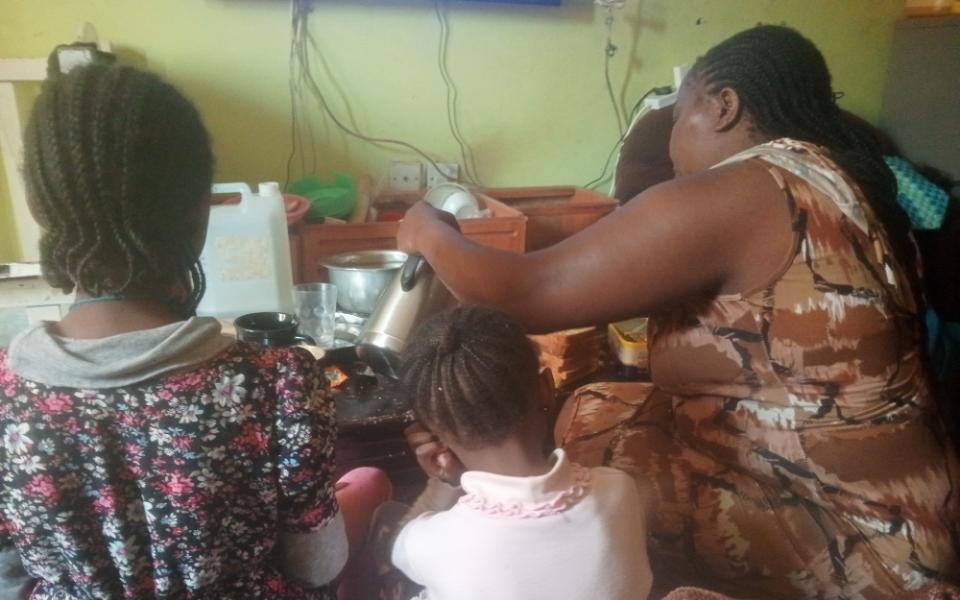
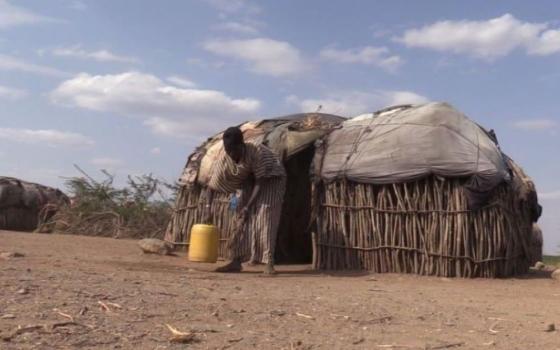
Operating outside the bureaucracy of Kenya's formal shelter system, at least 10 Catholic convents across Kenya have turned their peaceful residences into informal safe havens for domestic abuse survivors.
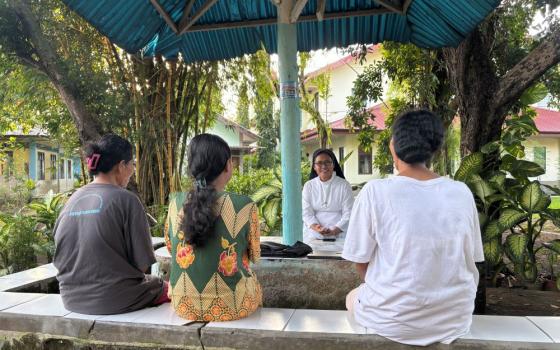
"Is the church truly seeking to combat sexual abuse, or is it trying to manage its consequences?" This is a valid, "honest and painful" question that many believers ask today, says Sr. Adriana Pérez.
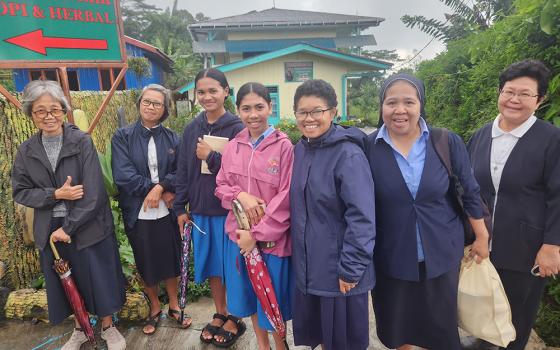
As illegal mining spreads through abandoned shafts in South Africa, Catholic religious women risk their lives to rescue girls coerced into sex and early marriages in communities the state struggles to protect.
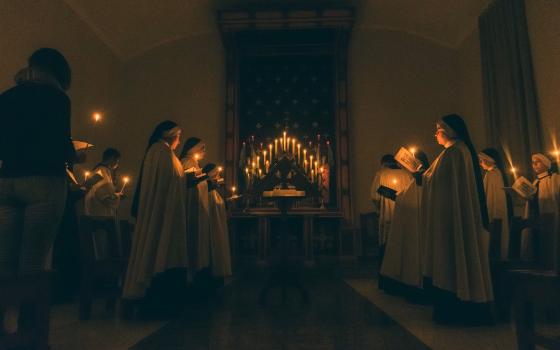
After 20 years as a Discalced Carmelite in Spain, Hortensia López Almán felt abandoned after she was forced to leave. She went on to start Asociación Extramuros to accompany women and men in similar circumstances.
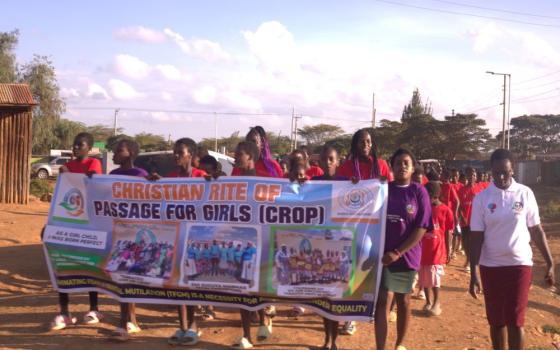
A growing network of Catholic sisters in Samburu is introducing an alternative initiation ceremony that is slowly reducing female genital cutting in one of the country's most resistant regions.
The figures underscore the significance of the International Day for the Elimination of Violence against Women, observed Nov. 25. The day also launched the 16-day UNITE campaign, which ends Dec. 10, International Human Rights Day.
This week, we want to pause midway through this series to remind readers of the stories and columns we've already published and call attention to the extraordinary work of sisters contending with gender-based violence.
As leaders prepare to meet in Belém, Brazil, women living the climate emergency in Kenya and across Africa are demanding global action, gender justice and investment in local adaptation.