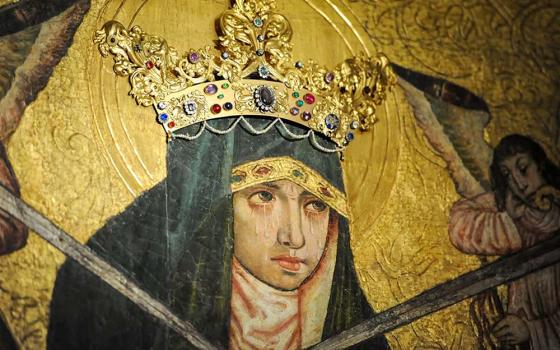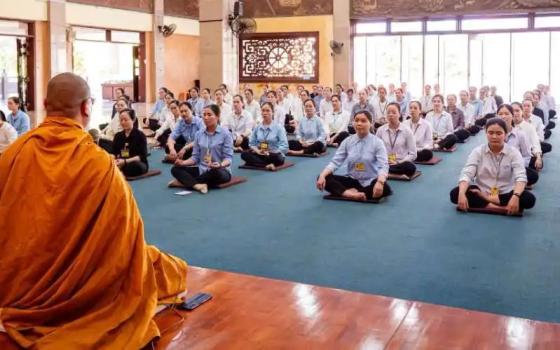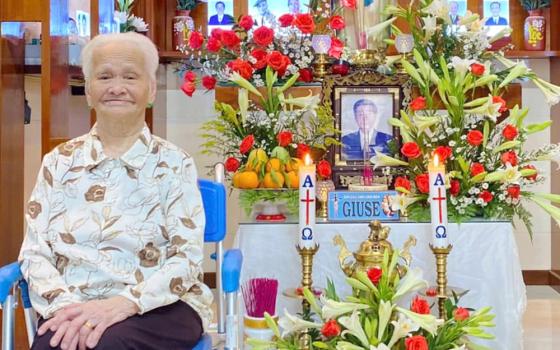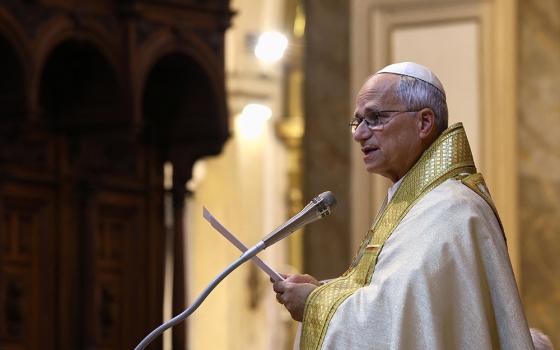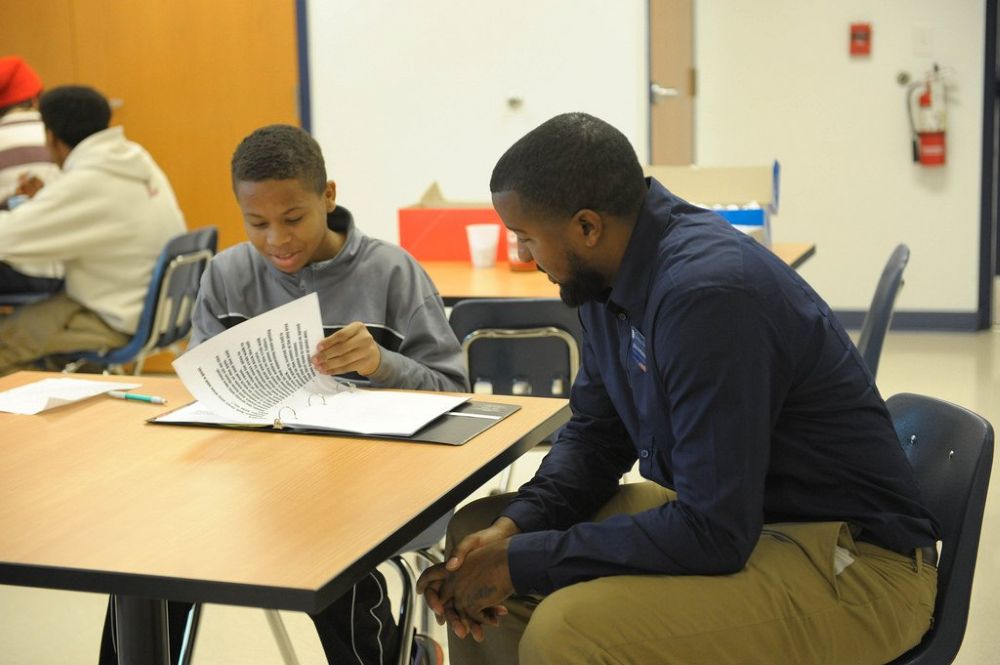
A volunteer with the Society of St. Vincent de Paul USA is pictured in an undated photo working with a young man. (OSV News/Courtesy Society of St. Vincent de Paul USA)

by Sr. Christine Elisabeth Burke
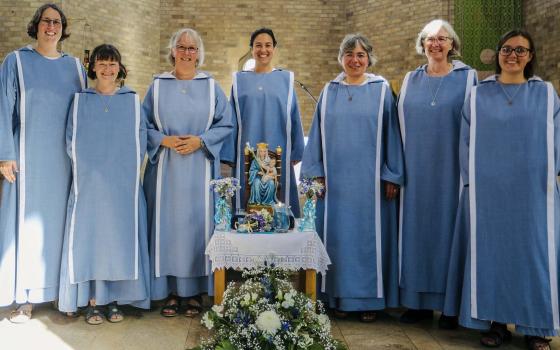
I am Australian and have been a religious sister for 64 years. For the last 13 years, I have been missioned to Manila, Philippines. Manila is a hub for religious formation from across Asia, and many young religious are here, mostly easily distinguished by their religious habits. Each morning at Mass, I also watch an older woman struggle to kneel (without altar-rail support) to receive Communion on her tongue, as others stand around her with their hands reverently outstretched. What makes these traditional practices seem more "holy?" How do we gauge such a thing as holiness?
Change is challenging for all of us, especially in the church.
Consecrated religious life has a long history. Women and men from various congregations have carried forward the message and example of Jesus for hundreds of years, staffing hospitals, schools, supporting parish life, and providing leadership and support in refugee camps, prisons, diocesan offices and more. Sisters and brothers are sometimes seen as second-tier to those in priestly life, however they have been at the forefront of ministry and service to the people of God, and it is hard to imagine our church without them.
In most congregations, especially in Western countries, this boom period has ended. While some younger people from less affluent backgrounds are still making this choice and hopefully will carry the dream forward in new ways, celibate, community-based life is no longer attracting women and men in the same numbers. Some of this reluctance may be influenced by resistance to the perceived second-class status of women in the church. Perhaps there is a positive explanation: The Holy Spirit is calling us to widen our lens and recognize the many vocations around us.
Our challenge is: How do we speak about the value of our life as religious, while also changing attitudes so religious life is not seen as holier than the life of every other baptized person?
Despite being founded on the belief in Incarnation, throughout history, the church has fostered the belief that celibacy is foundational to a "vocation." This carries an unspoken message about sexuality and the body, about the value of lives dedicated to others in married love. Back in the 1960s, when I entered, my aunt, who was raising nine children, commented that I had chosen the "holier" way. I believed she was wrong, and that nothing could come near her commitment and care for her family. Even then, I bristled when religious life was praised as the higher vocation.
Vatican II was a watershed. The belief that celibate life was a "higher" form of discipleship, a choice that any serious-minded Catholic should surely consider, was challenged. Instead, the bishops placed baptism at the center of being a disciple and were determined to change the mentality that the church was primarily an institution. They spoke of all the baptized as "the pilgrim people of God" and called everyone to follow Jesus more seriously.
As we move toward a more synodal church, the call of every baptized person to "community, participation and mission" is asking for a new sense of equality and contribution from every person, especially those on the margins of our society. This is based on the recognition that daily life is where God is calling us to live out the Gospel. As the Vatican II document Gaudium et Spes says, the gap between the faith which many profess and their daily lives deserves to be counted among the more serious errors of our age."
Advertisement
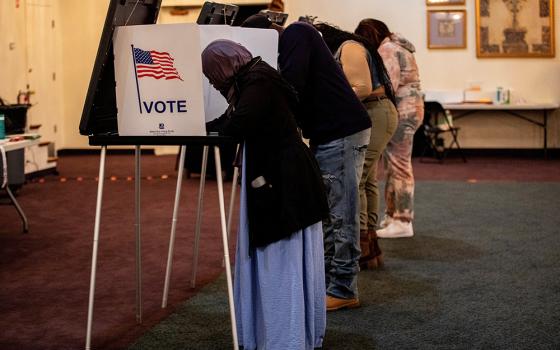
The baptized have been living their faith in daily life for years, but unseen and unheralded. The single mother, helping her children forgive each other after a squabble; the parent who refuses to vilify in front of the children the ex-partner who has forced a split in the family; the person working against trafficking; the young checkout worker who greets people and lifts their day with her friendly smile; the poor family living on the street who greet you as you pass; the woman who sweeps the streets and is valued by her neighbors for her regular care and positive approach to life.
The list can be endless. But many do not see these actions as carrying forward the Gospel. That remains associated with those giving homilies, those teaching religion and those who read in church or commentate during the Mass.
This is not to downgrade religious life. This life has been a gift to me, extending my horizons beyond anything I ever imagined in 1961. I have been given opportunities and called to responsibilities which have helped me grow, and I trust have also helped others. I have had an opportunity to delve into and explore the life of Jesus and the role of the Holy Spirit for myself and the world; and a supportive and often surprisingly intercultural community which frees one to go where the need is greatest.
Ultimately, religious are being called to "self-empty," to recognize the holiness and missionary activity of every baptized person. And sometimes this means we have to speak out about their vocation, not ours.
Something in our attitude has to change. God keeps calling, but maybe our triune God is calling in new ways, animating lay women and men to take forward the Good News. As religious, we need to reshape our language because vocations are there. Can we recognize them in the people we work alongside, who make incredible sacrifices to keep a family together, who care for a partner with dementia, who commit to preserving our beautiful "sister earth," who give time to listen to a friend who is finding life difficult, who raise children who are capable of loving others rather than just placing themselves at the center?
The synod has called for listening, welcoming, accompaniment, new ways and strategies of "formation," a deeper accompaniment that opens hearts and minds to God's spirit. Can we older religious help make that happen? What wisdom from our long history can we share? What steps can we take to ensure that we are not put on pedestals at the expense of the 99% of the baptized who share with us the call to be prophet, priest and leader in our church? Can we sit with our colleagues and ask them how they feel about our vocation and theirs and reflect with them on where this is all leading? Can we accept the call to let go of the "specialness" of our vocation?
It is in letting go that something new can come to life!