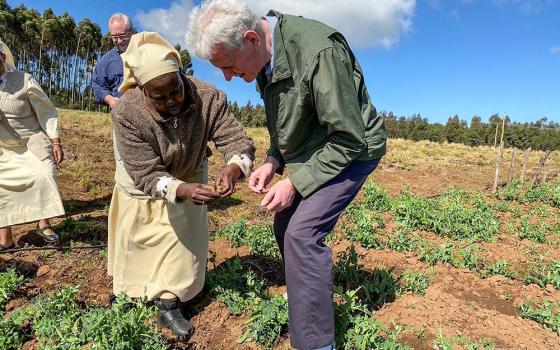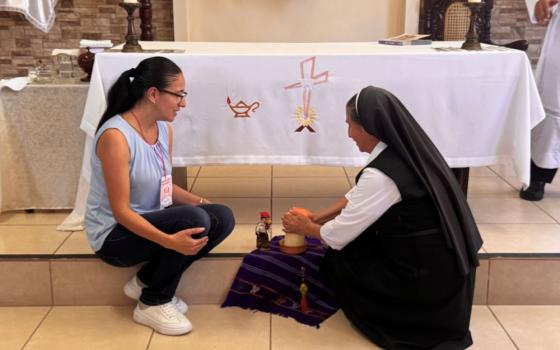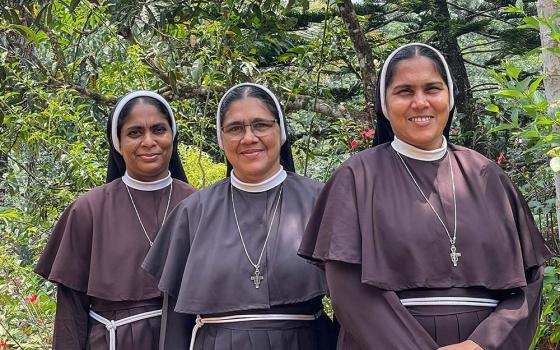
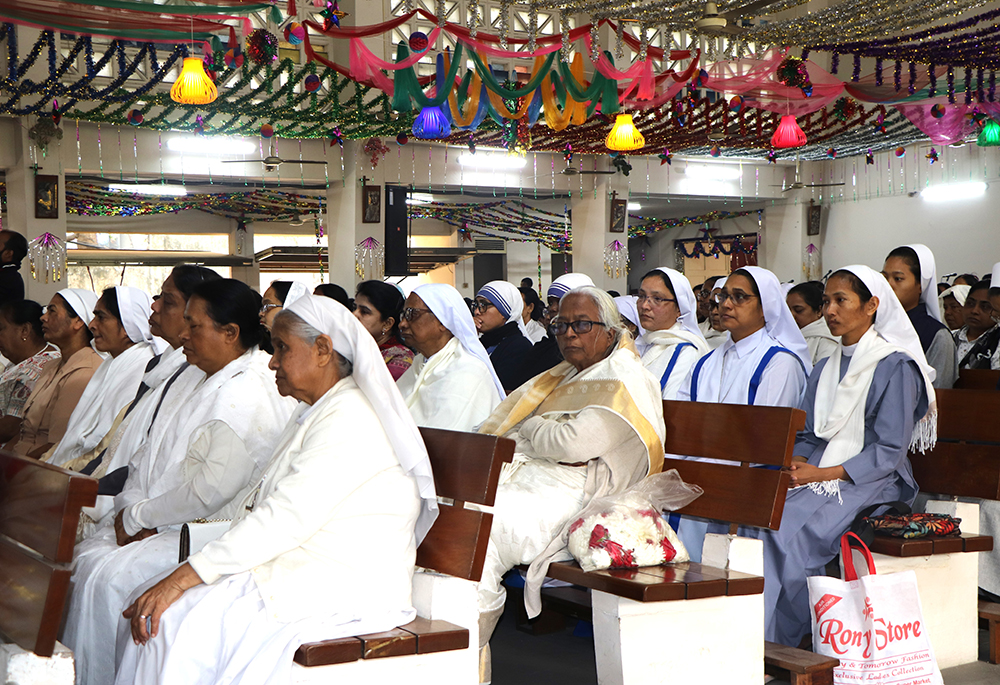
Catholic sisters attend Mass on Jan. 24, 2026, at St. Mary's Cathedral, Dhaka, Bangladesh. (Sumon Corraya)

by Sumon Corraya
Catholic sisters and women in Bangladesh say they are hopeful that the country's newly elected government will ensure women's safety, protect minority rights and restore an atmosphere of mutual respect after years of political turmoil. The Bangladesh Nationalist Party (BNP) and its alliance won an overwhelming majority in the 13th National Assembly elections, securing 212 seats in unofficial results.
The election, held nationwide with a reported turnout of 59.44%, also brought several smaller parties into parliament. The BNP-led coalition's decisive victory has set the stage for a dramatic political transition. Catholic sisters who long feared political violence say they were relieved that no attacks on religious minorities occurred during this election cycle.
Sr. Mary Amiya of the Mary Queen of the Apostles Congregation said her community approached the election prayerfully and with optimism.
"We 40 sisters prayed together for a peaceful vote, and several of our schools, used as polling centers, became places where they could contribute directly to the democratic process," she told GSR.
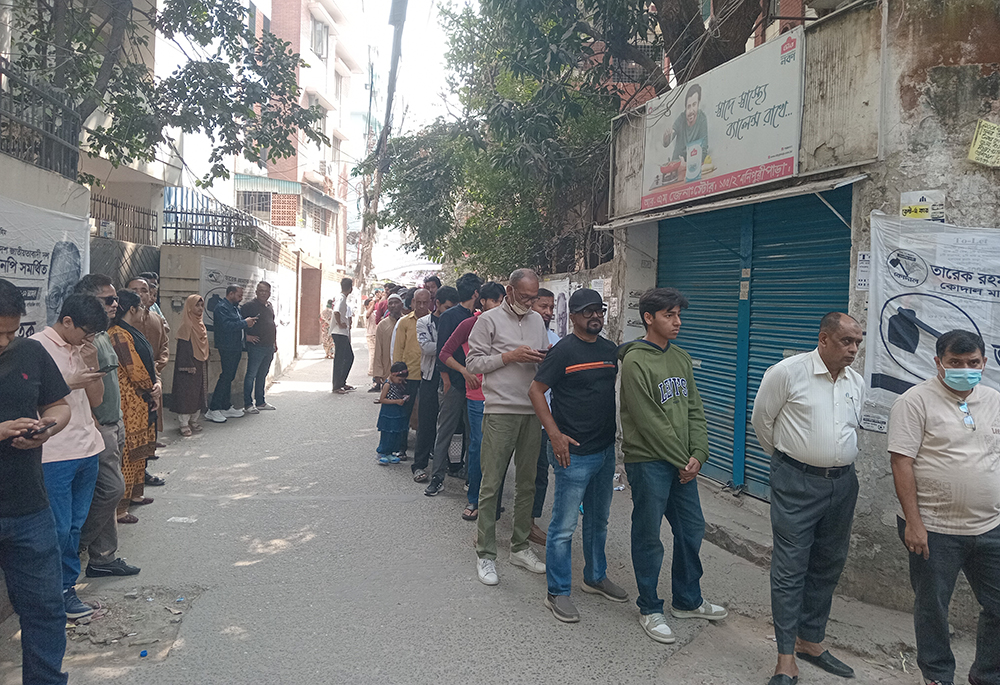
People wait in line on Feb. 12, 2026, to vote inside a Maryknoll sister-run school, the Bacha English Medium School, in Monipuripara, Tejgaon, in Dhaka, Bangladesh. (Sumon Corraya)
She noted that eight sisters from their community managed polling duties. Amiya also said she hopes that the incoming government, which she believes has relevant experience from the past, will promote peace, communal harmony and national progress.
Tarique Rahman, the BNP chairman, was sworn in Feb. 17, making him the first male prime minister in Bangladesh since 1990. For 35 years, the country's leadership alternated between Khaleda Zia and Sheikh Hasina. BNP last held power in 2001 before being ousted during a 2007 military-backed takeover. Hasina's subsequent 15-year rule faced criticism for disputed and controversial elections.
At a press conference on Feb. 14, Rahman underscored his priority of maintaining law and order in the post-election climate. He urged his supporters to remain calm, warning that no provocation, revenge or violence would be tolerated. He stressed that injustice or illegal activities would be addressed firmly, regardless of political allegiance, religion or caste.
Advertisement
For Catholic sisters and women in Bangladesh, the coming months represent a moment of possibility. They hope the new government will listen to the marginalized, safeguard women's dignity, uphold religious freedom and choose policies that strengthen unity rather than division. Above all, they pray that Bangladesh enters an era in which respect — long eroded by tension and mistrust — becomes the basis for rebuilding a more just and peaceful society.
Parul Rozario, coordinator of the Believers in Christ consecrated virginity community, emphasized that the BNP's campaign commitments included protecting women, minorities and marginalized groups — promises she hopes will translate into action.
For Rozario, everyday hardships facing urban residents underscore the need for effective governance. She described months of gas shortages in Dhaka, forcing many households to cook late at night. She said that along with basic services like gas, water and security, women must be able to move freely without fear of harassment and should never be disrespected on the streets.
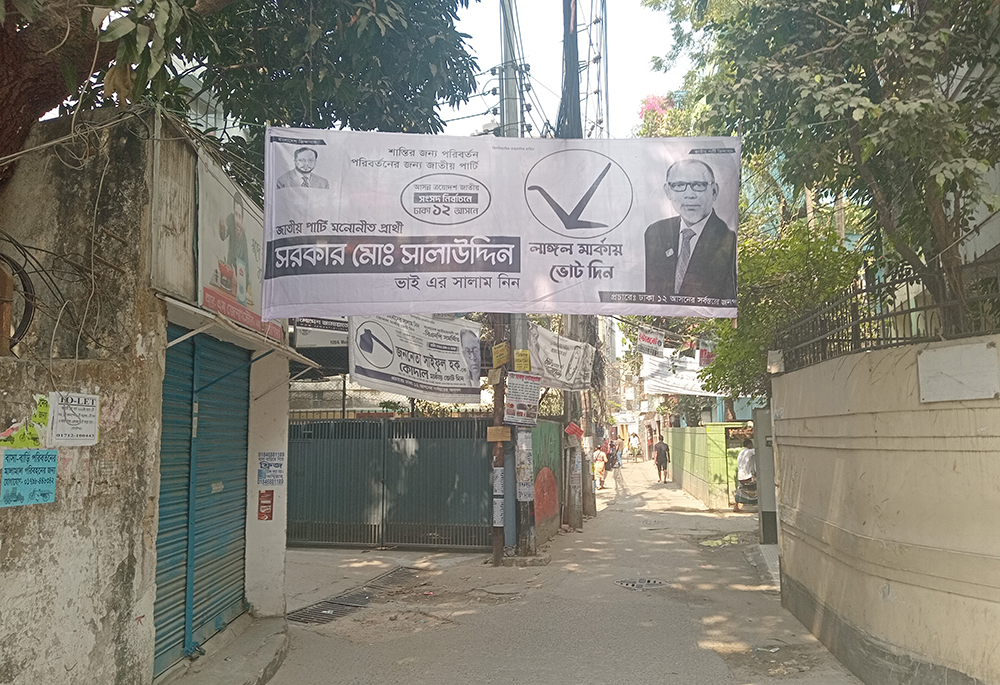
A banner depicting information on the general election and constitutional referendum in Monipuripara, Tejgaon, in Dhaka, Bangladesh. (Sumon Corraya)
In Tejgaon, Sr. Promila Costa, a member of Catechist Sisters of the Immaculate Heart of Mary, Queen of Angels, and headmistress of Shantir Rani School, said she was grateful that the election remained fair, peaceful and orderly. Her hopes for the new government center on religious freedom and coexistence.
"I want a Bangladesh where people of all religions live side by side, practice their faith openly and teach future generations to value harmony," she said. She said religious freedom must be protected not only as a constitutional right but as a lived reality for every citizen, and the new government should ensure it.
Following student protests that led to the fall of the previous government in August 2024, the sisters observed a troubling rise in extremist influence in public spaces. Several women were harassed for their clothing, and many feared that if a conservative religious bloc came to power, personal freedoms could shrink dramatically.
Some Catholic educators were particularly anxious because they run schools that teach music, dance and other arts — subjects sometimes criticized by hardline groups. With the BNP returning to power, many sisters now feel reassured that their institutions can continue operating without pressure to change their curricula.