(Unsplash/Julia Taubitz)

by Sr. Christie Udebor
As a member of the Sisters of St. Louis Community-Based Rehabilitation program, I have had the privilege of working with individuals with neurodevelopmental disorders, including autism spectrum disorder and cerebral palsy. I am passionate about creating inclusive spaces and providing essential services for children with these conditions.
In Nigeria, where autism seems to be increasing, government support for autism is limited. In my work with individuals with autism, I have encountered cultural beliefs that view autism as a spiritual affliction or a result of ancestral displeasure. Some families seek traditional or spiritual remedies, which can delay seeking professional help. Stigma surrounding autism also exists, with some viewing it as a source of shame. These beliefs can impact my work, as families may be hesitant to access services or follow treatment plans due to fear of judgment or rejection. Thus, our work is crucial to breaking down such barriers and to accepting and empowering individuals with autism spectrum disorder to reach their potential.
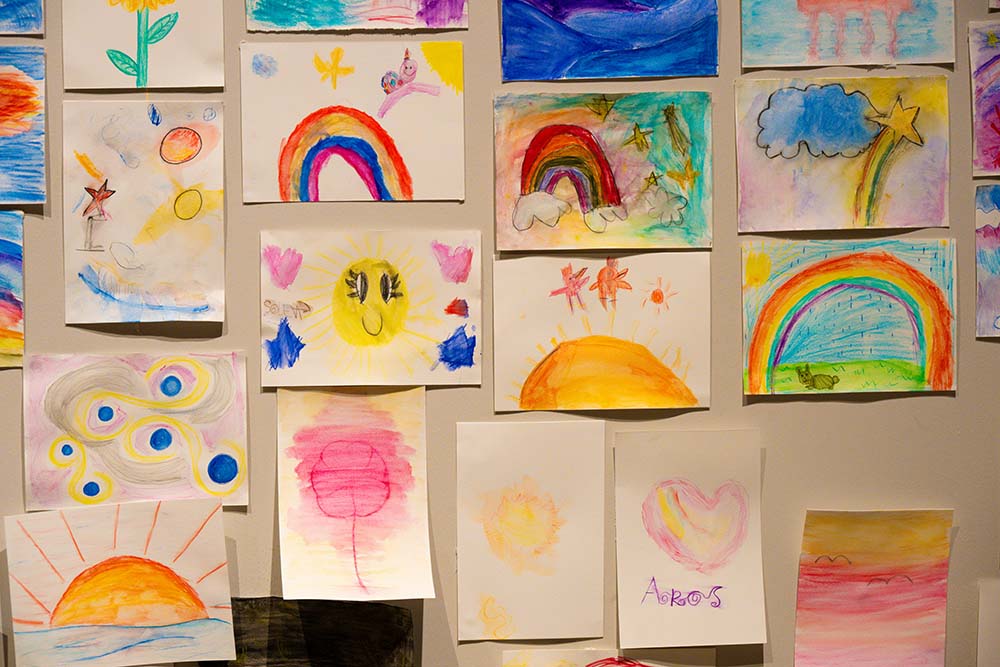
Communication challenges are common for persons with autism. Some find verbal communication difficult, while others find non-verbal communication more challenging (not understanding social cues or initiating or carrying on conversations). Every student with autism is unique, with their own strengths and challenges. Because of this, we created an inclusive art program allowing students to express themselves creatively at Sisters of St. Louis Community-Based Rehabilitation's resource room in Akure.
One rewarding aspect of my work has been learning to communicate with students who express themselves in unique ways, as this requires patience and empathy. I recall working with a young girl named Ayomide who was non-verbal but would express herself through vibrant drawings, depicting feelings of anxiety and overwhelm. As we worked together, I learned to understand her visual language, and she began to thrive in our inclusive environment. This experience taught me that communication can take many forms, and by embracing creative forms of expression, we can build meaningful connections with individuals with autism.
Advertisement
This work has also shown me the impact of targeted therapy and support. One student, Segun, struggled to connect with others, often feeling overwhelmed in loud environments. Morning drills, banging of lockers, students chatting and bells ringing between classes were distressful. He would cover his ears and sometimes begin yelling. I used play-based therapy, incorporating his interests, to build trust and engagement with him. Gradually, he became more comfortable expressing himself, and after months of therapy, he spontaneously initiated a conversation with a peer during recess. His smile lit up the room, a testament to his growth and our support.
These moments remind me of the potential within every individual with autism, and the importance of providing them with the tools and resources they need to succeed.
On the other hand, I am reminded of how much I still need to learn to help facilitate and treasure such moments. This experience deepened my understanding of resilience and the importance of empathy. It also reinforced my spiritual belief in the value of compassion and the interconnectedness of human experiences.
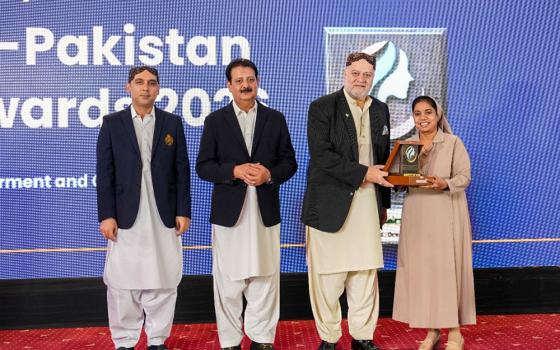
I recently attended the Guaranty Trust Holding Company's 15th anniversary celebration, "From Awareness to Action: 15 years of Advancing Autism Inclusion." I was invited to contribute my expertise in supporting individuals with intellectual disabilities, particularly those with autism, as part of our community-based rehabilitation efforts. This event brought together over 2,000 participants, highlighting the growing recognition of autism and the need for collective action. I was honored to be part of this event and to share our experiences and insights on fostering inclusivity.
As part of my commitment to responding to the needs of individuals with autism spectrum disorder, I have continued preparing myself to learn the skills for this important ministry by pursuing a three-month program in speech therapy. Upon completing my training, I look forward to supporting more children, adolescents and adults with speech disorders.
Doing this work brings me a sense of purpose and fulfillment, and I am motivated by making a positive impact on the lives of individuals with autism and their families. Seeing progress, no matter how small, and receiving gratitude from those I support encourages me to continue learning and growing. It is a privilege to be part of their journey.
This experience deepened my understanding of resilience and the importance of empathy.
It is also encouraging to see that as the general public learns about our program in Ondo State, more parents are providing their children with the opportunity to attend school. However, as the number of children with autism increases at our school, we face the challenge of expanding our scope and obtaining age-appropriate equipment for these children. To address these challenges, we are planning to:
- Establish partnerships with organizations and donors to secure funding for equipment and resources
- Develop a strategic plan to expand our services and reach more children with autism in Ondo State and beyond
- Provide ongoing training and support for our staff to ensure they are equipped to meet the unique needs of children with autism
- Engage with local communities to raise awareness about autism and promote inclusion, and even more importantly, acceptance.
Through our work, I have learned that individuals with autism cannot be defined by their diagnosis; they are full of personality, curiosity and potential. By embracing inclusivity and understanding, we can create a more compassionate and supportive society that recognizes these individuals have much to contribute to our families and society.
As I reflect on this journey, I am reminded of the power of compassion, understanding, acceptance and inclusivity. By working together, we can create a world where every individual, regardless of their abilities, can thrive and reach their full potential. I am proud to be part of this initiative and am excited to continue our work to promote understanding of autism by empowering acceptance and inclusion of these unique and talented individuals.