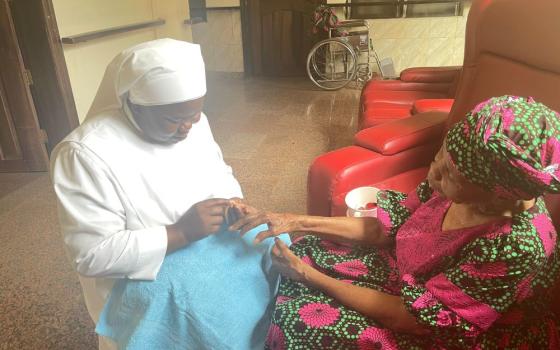
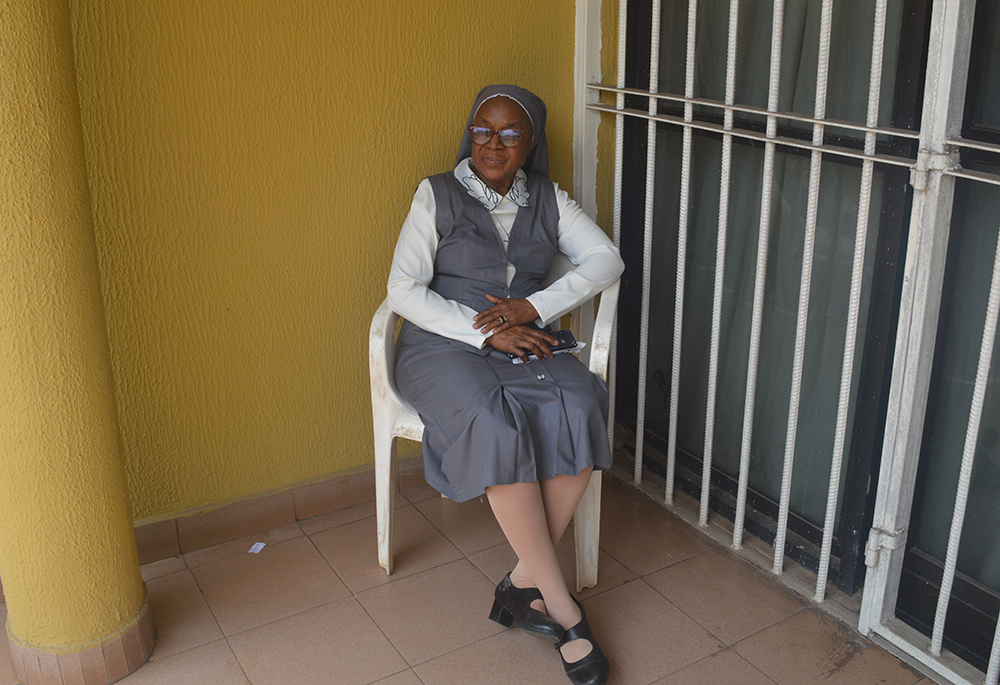
Sr. Anthonia Ibeh, a member of the Medical Missionaries of Mary Ibeh who leads the catechism class every Wednesday for two hours to inmates, poses in front of the sisters' convent in Benin City, Nigeria. (Valentine Benjamin)

by Valentine Benjamin
In the cracked courtyard behind the gray walls of the Benin Custodial Centre, a small group of Catholics gather. A tense stillness settles over the inmates, many of whom have not had a glimpse of the courtroom in the months or years since their detention. They wait. And then, unobtrusively, the Mass is underway.
This moment is part of an invisible but urgent struggle: a struggle against delay, neglect and hopelessness in Nigeria's criminal justice system. Sr. Anthonia Ibeh, a member of the Medical Missionaries of Mary, leads the work with diocesan priests and lay parishioners. Together, they offer free legal aid, social support, rehabilitation and spiritual care to inmates, many of whom are legally innocent and still awaiting trial.
The statistics are stark. A 2017 report from Nigeria's National Bureau of Statistics found that there may be more innocent individuals than guilty ones among the inmates. The report, covering 2011 to 2015, indicates that 72.5% of the total prison population consists of individuals awaiting trial.
Furthermore, a publication from the Institute for Crime and Justice Policy Research, released in February 2020, reveals that Nigeria has the second-highest proportion of the total prison population in pre-trial and remand imprisonment in West Africa, at 70.2%, following Benin at 75.8%.
Ibeh collaborates with local priests and members of the Justice, Development and Peace Commission in Benin City to arrange visits to Benin Custodial Centre, where they offer vital spiritual support to inmates, in the form of catechism, confession and celebrating Mass with them on Sundays.
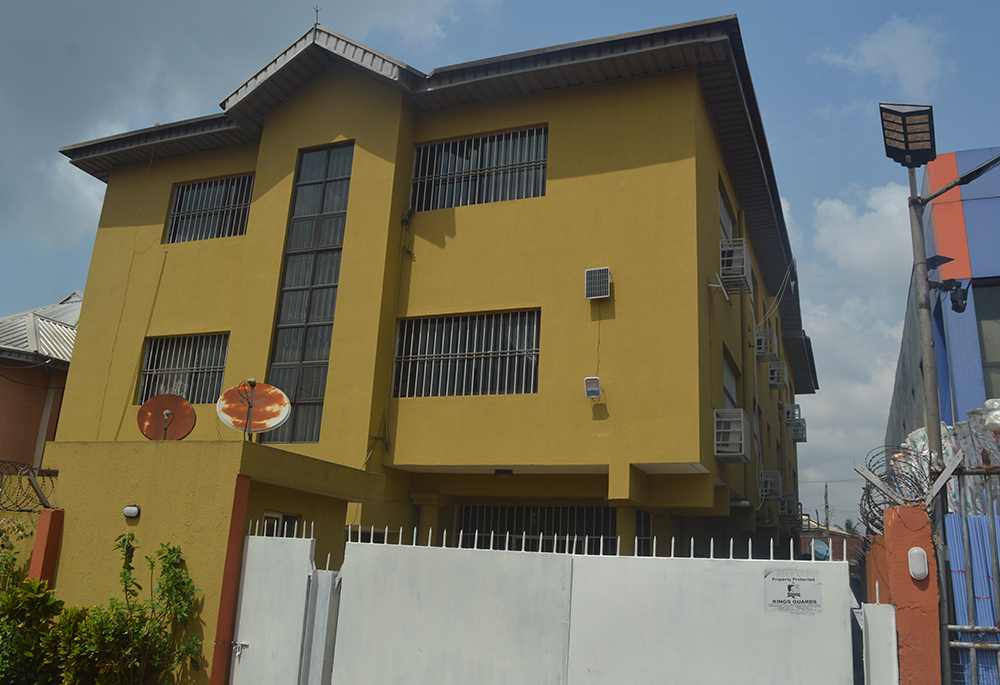
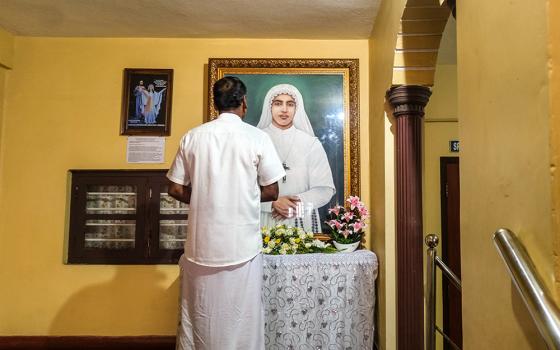
Front view of the sisters' convent where Sr. Anthonia Ibeh and other Medical Missionaries of Mary sisters, including those working at the Committee For The Support Of The Dignity Of Woman, live together in Benin City, Nigeria (Valentine Benjamin)
"The situation is dire," said Ibeh. "Many of the inmates face poverty and injustice, with some imprisoned for years or for life, sometimes without having committed any crime."
The group regularly visits the Benin Custodial Centre, providing free legal services to inmates who lack the resources to hire their own attorneys, ensuring that everyone has a chance at justice.
Their mission is more than philanthropy; it's a ministry of justice identifying those languishing while innocent, abandoned by their families, and unable to navigate Nigeria's judicial system.
Nigeria's judiciary is grappling with corruption that has eroded the public trust, according to research by the Chatham House Africa Programme's Social Norms and Accountable Governance project. Fr. Benedict Onwugbenu, executive director of the Justice, Development and Peace Commission, who leads the legal team, says the research's implications are damning. "The legal system has become unreliable for many, with judgments tainted by bias and appeals often dismissed."
"There's also confusion due to poor record-keeping: I've seen two inmates with the same name — one innocent, one a hardened criminal. Due to mismanagement and outdated manual processes, the wrong person was nearly released," he said.
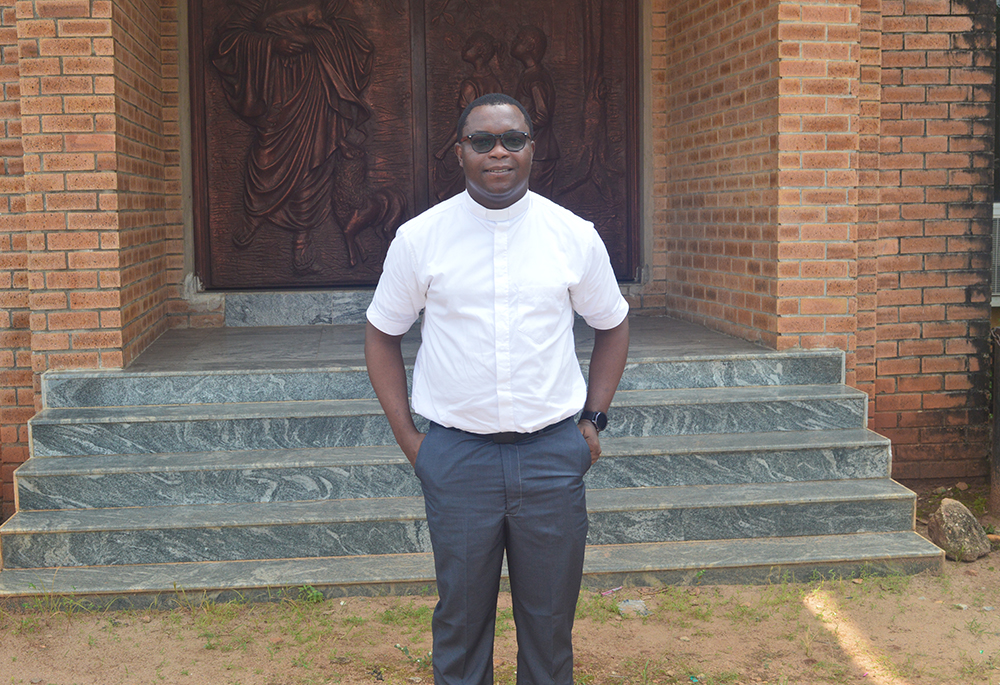
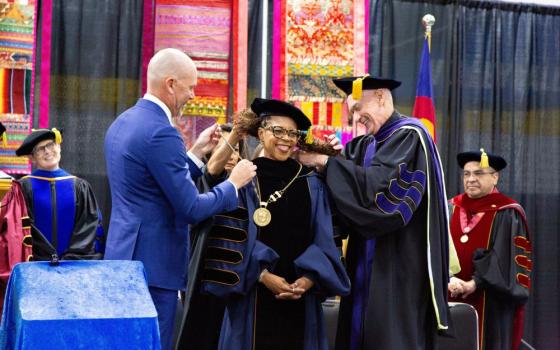
Fr. Benedict Onwugbenu, executive director of the Justice, Development and Peace Commission, who leads the legal team to provide pro-bono services to persons in incarceration until they are released, is pictured in Benin City, Nigeria. (Valentine Benjamin)
The partnership was formed last year when Jesuit Fr. Ujah Gabriel, serving as the parish priest at St. Joseph Catholic Church in Benin City, wrote to the Ugbekun community of the Medical Missionaries of Mary Sisters in Benin. The initiative traces its roots to Sr. Blandina Ryan, one of the founding sisters of the congregation.
The group operates in separate but complementary roles: Ibeh leads the catechism class every Wednesday for two hours for inmates who will eventually become members of the Catholic Church. She also administers baptism in cases of emergency, especially when the inmate is in immediate danger of death. Gabriel, the parish priest and direct prison chaplain, offers weekly spiritual support through Mass, confession and regular baptism.
"Our ministry and the way we pray, sing and conduct Mass often inspire them to seek out the Catholic faith," said Ibeh. "We try to guide them through the process of conversion, genuine repentance and help them find their faith in Christ through salvation, which, for us, is the ultimate gift we can offer."
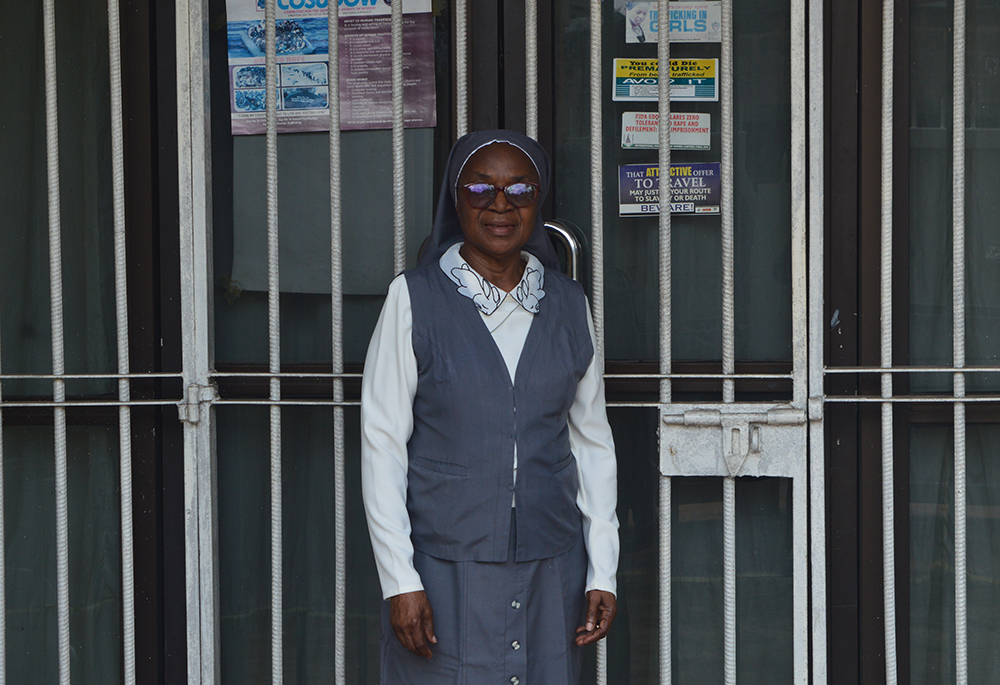
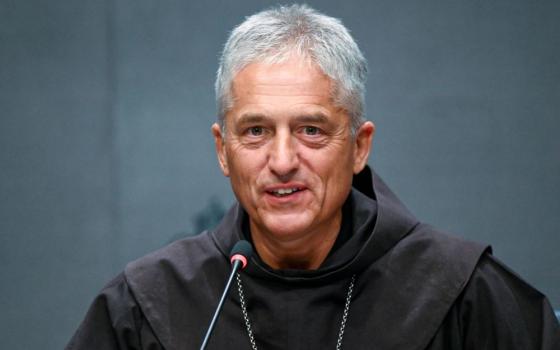
Sr. Anthonia Ibeh, a member of the Medical Missionaries of Mary, is pictured outside the sisters' convent in Benin City, Nigeria. (Valentine Benjamin)
More than 10 lawyers from the Justice, Development and Peace Commission provide pro-bono legal representation, including lawyers from the National Association of Catholic Lawyers, Benin.
Within the flickering glow of the Mass candles, the prison chapel transforms into both a sanctuary and a place of advocacy. For the group, one case that stood out was that of a 32-year-old man who was arrested for theft and remanded into custody.
The man "had no case to answer, as confirmed by a letter from the Ministry of Justice," said Bar Charity Ifeyinwa, one of the attorneys on the team. "But we could not secure his release until after two years because his case file was missing."
Advertisement
The group helps secure the release of inmates by applying for the prisoners' register, usually from the warders, to identify those in need of legal representation. They then screen the list, arrange for bail, and provide the necessary funding to facilitate the inmates' release and rehabilitate them.
As Ibeh explained: "When someone is kept in confinement for months with no trial, no family, and no attorney, they lose not just freedom — they lose hope. Our work is to bring hope back."
Their rehabilitation program has so far trained 300 individuals in various skills, including information and communication technology training at the 3M ICT Hub, a digital training center run by the sisters.
But as the walls of the Benin prison chapel echo with Mass, confession, legal advice and hope for reform, Ibeh says the system should not forget its mission. "It's simply not a place for punishing people, but to deliver justice and human redemption."