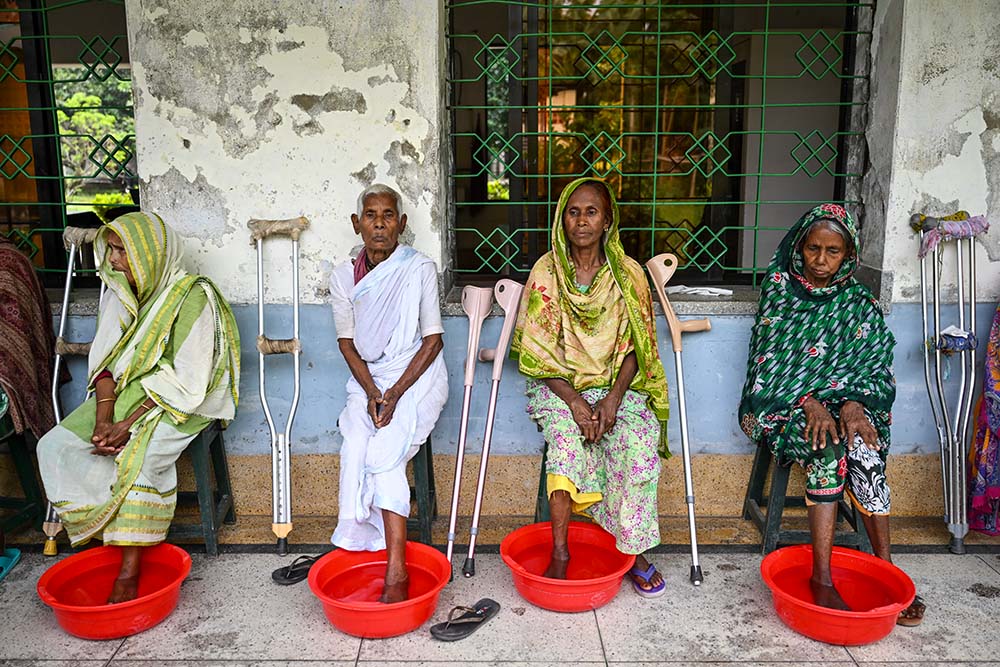
Patients soak their foot ulcers before receiving new dressings at the Dhanjuri Leprosy Center in Dinajpur, Bangladesh. Proper hygiene is a critical component of preventing secondary infections in leprosy cases. (Piyas Biswas)

by Piyas Biswas
When Italian missionary Fr. Joseph Obert founded the Dhanjuri Leprosy Center in 1927 in Dinajpur, Bangladesh, he may not have anticipated that it would become one of the country's leading centers for leprosy treatment and care.
It claims to have successfully treated some 12,000 people with leprosy, supported by a full-fledged 70-bed hospital equipped with modern facilities for treatment, ulcer care, physical therapy, and the production of protective footwear.
In addition to the main center, it operates 13 clinics across the country's northwestern region to identify and treat cases. Bangladesh has the world's fourth-highest leprosy burden, with more than 3,000 new cases reported each year.
Obert, a member of the Pontifical Institute of Foreign Missions who would later become the bishop of Dinajpur, ensured that dedicated caregivers, including religious sisters and local medical professionals, would provide comprehensive support.
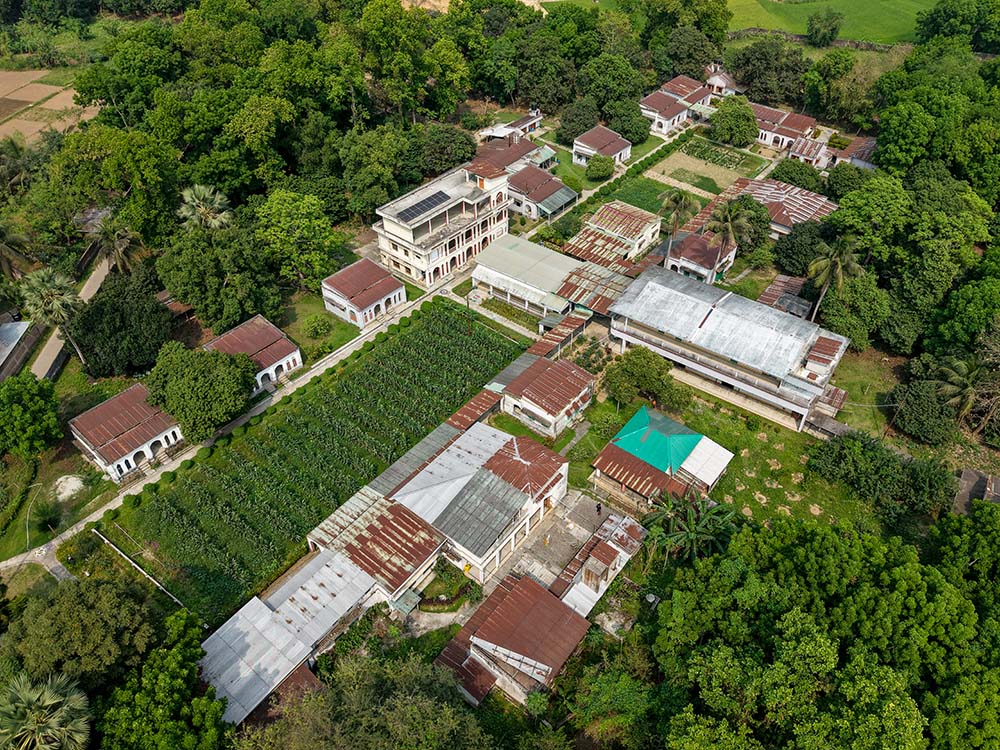
An aerial view shows the layout of the Dhanjuri Leprosy Center, which includes treatment wards, a therapy center and staff residences. (Piyas Biswas)
Leprosy, although curable if detected early, remains a public health concern in Bangladesh despite the World Health Organization declaring it "eliminated" in the country in 1998. A slow, ongoing resurgence persists, with 21 new cases per million inhabitants.
According to the World Health Organization, Bangladesh has the fourth-highest number of leprosy cases worldwide, with ongoing transmission, delayed diagnosis and health system gaps. Efforts are underway to reduce the prevalence to zero by 2030.
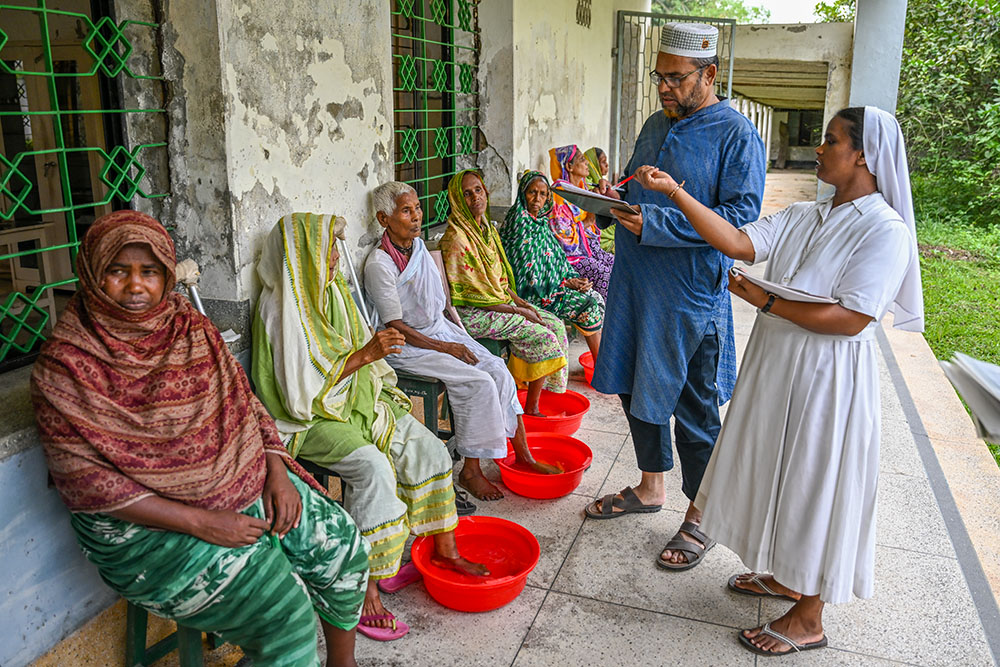
Dr. Abu Hena Mostafa Kamal examines a patient during a weekly visit at the center. Early detection is key to preventing the long-term disabilities often associated with leprosy. (Piyas Biswas)
Beyond its medical impact, leprosy imposes a heavy social burden. Many patients face stigma, discrimination and exclusion from their families. Misconceptions persist despite the disease being only mildly infectious and not hereditary.
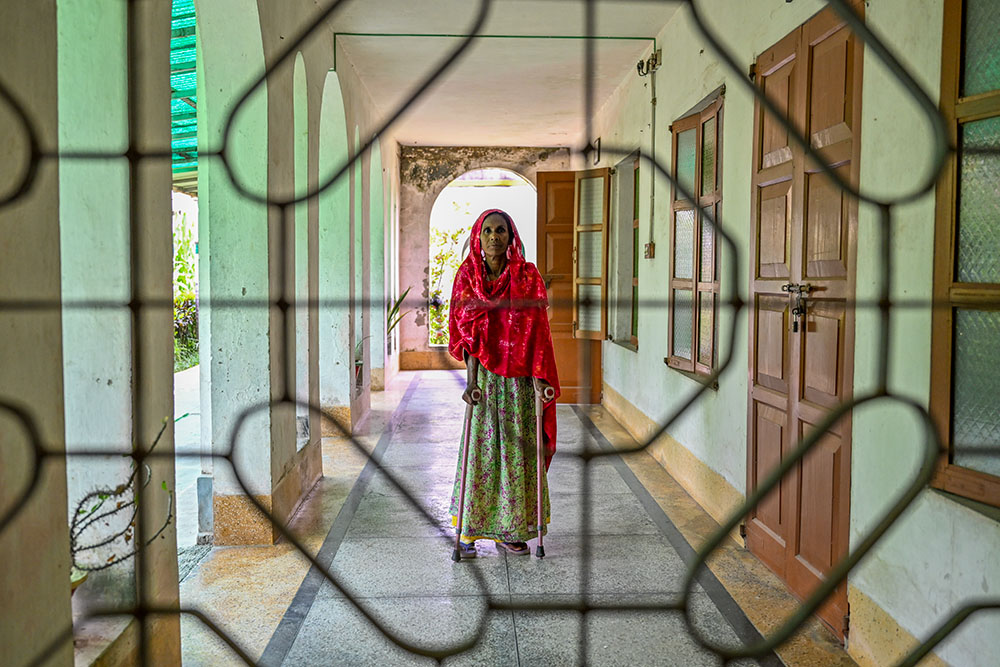
Furkun Begum, 51, has lived with leprosy for 30 years. After being driven from her village, she now seeks peace and a better life through the center's care. (Piyas Biswas)
Furkun Begum, 51, of Binail village in Birampur, has lived with leprosy for nearly three decades. She contracted the disease during her second pregnancy; as her condition became known, she was driven out of her village. Her marriage ended, leaving her to cope alone.
Today, her children have grown, yet she still faces social isolation. "Nobody loves me. My family and relatives hate me," she said. "I want to be cured, have a better life, and live peacefully with my children."
Advertisement
Agapit Tudu, acting director of the center, said the center continues to fight the spread of the disease. In 2025, the center identified 231 new cases, many of whom had never received treatment. To date, more than 12,000 patients have been treated and have returned to their lives.
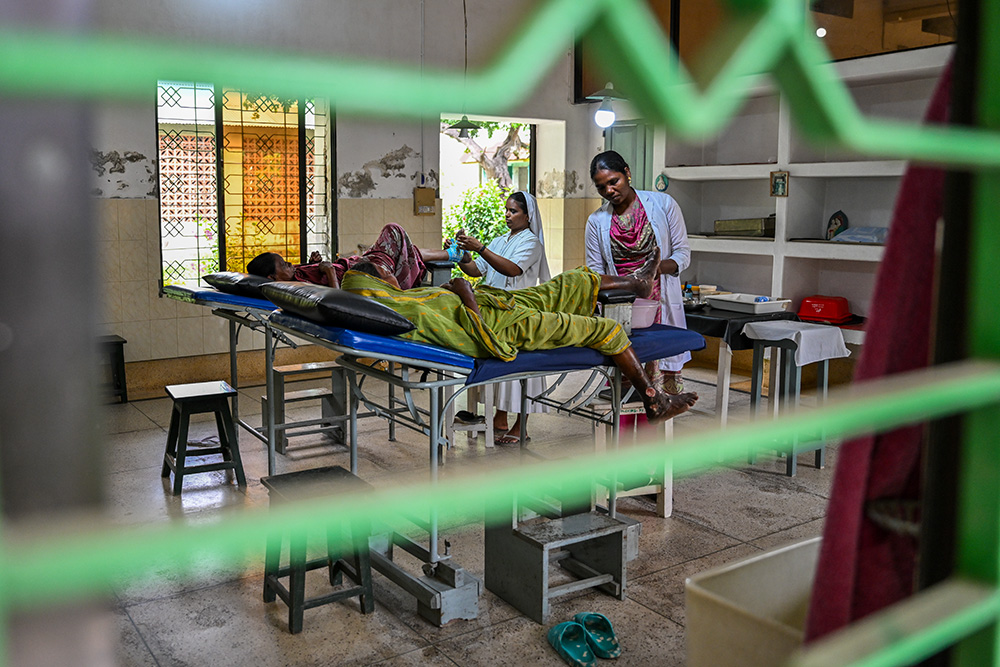
Sr. Sujatha Kattula, left, a Missionary Sister of the Immaculate, and nurse Martha Murmu dress a patient's wounds. The facility provides institutional treatment for those with severe conditions. (Piyas Biswas)
The center's backbone is caregivers like Sr. Sujatha Kattula, a member of the Missionary Sisters of the Immaculate. Kattula, who has worked at the center since 2023, said the people at the center have become "like a family. ... When I care for patients, I feel like I am caring for my own family."
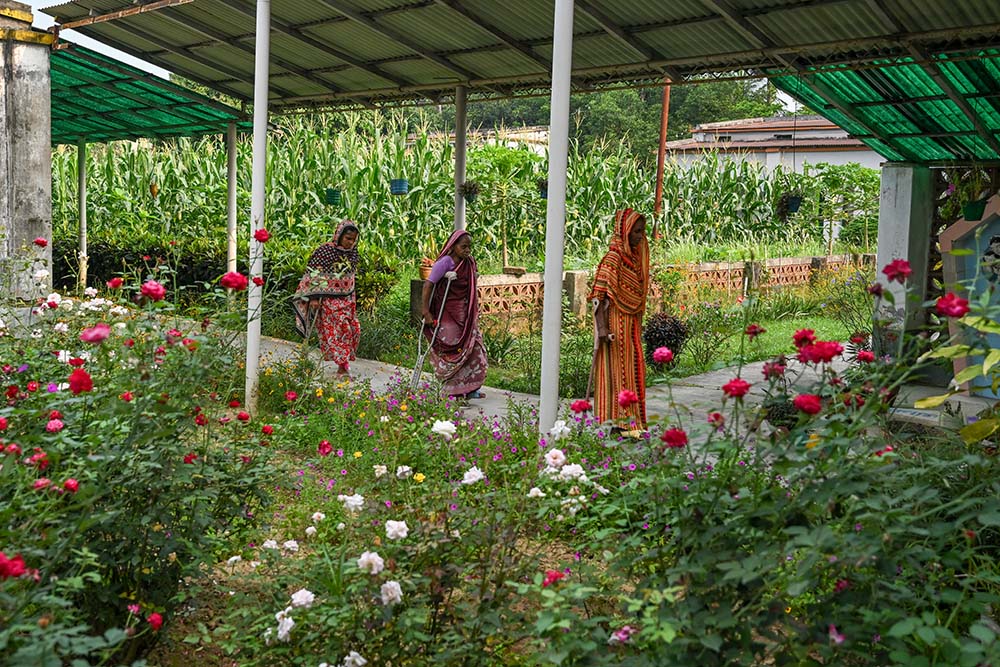
Every morning, patients and staff gather for a shared prayer. The center unites people of all faiths in a common hope for healing. (Piyas Biswas)
Daily life reflects a balance of care and resilience. Patients receive medication, wound care and therapy. Mornings begin with shared prayer, and staff support both physical recovery and emotional well-being.
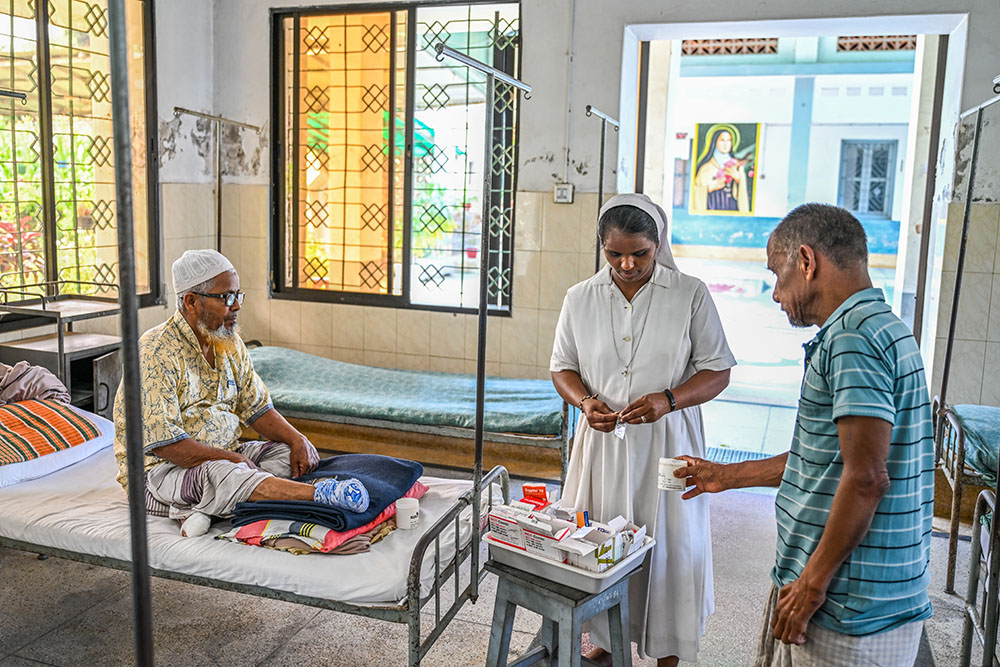
Sr. Sujatha Kattula distributes daily medication. Multidrug therapy is the standard treatment used to cure the disease. (Piyas Biswas)
Dr. Abu Hena Mostafa Kamal, who has been serving the center for a decade, emphasizes the importance of awareness. "Treatment can take six months to a year," he said. "Prevention and self-care are essential, as is awareness within families and communities."
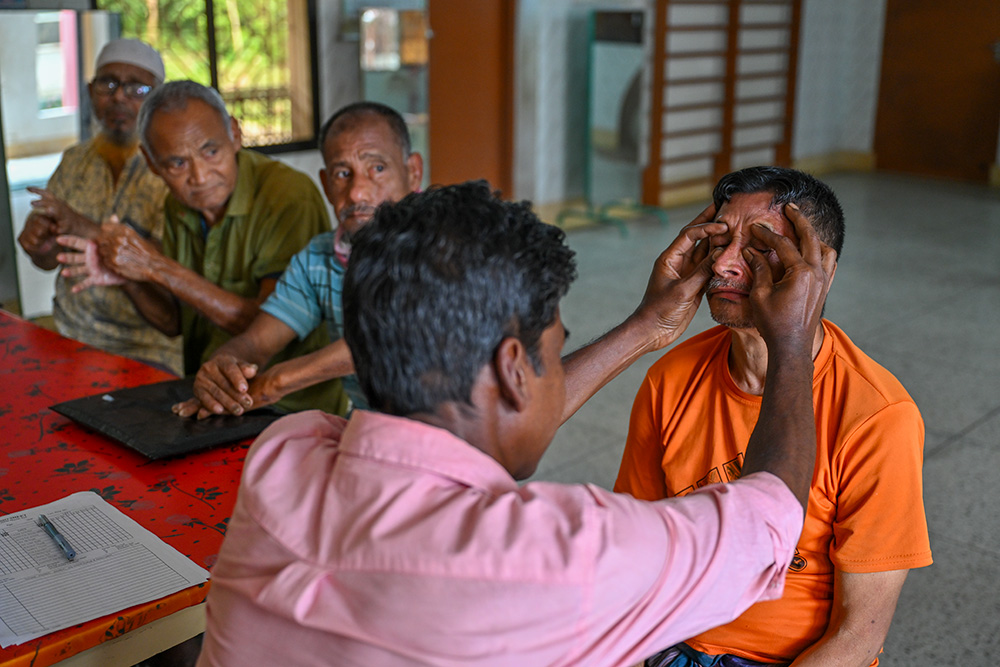
Therapist Poulinious Baskey guides a patient through exercises at the therapy center. Rehabilitation is essential for maintaining mobility in limbs affected by nerve damage. (Piyas Biswas)
Because leprosy attacks the nervous system, patients often lose sensation in their hands and feet, leaving them highly susceptible to unnoticed injuries and chronic ulcers.
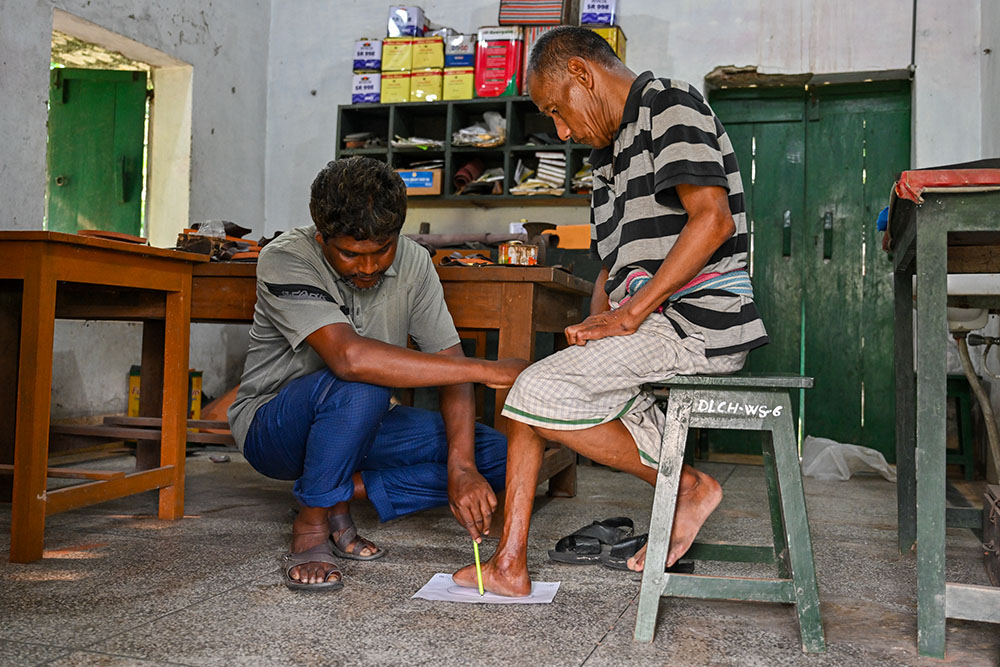
A footwear technician takes measurements to craft custom shoes. This specialized footwear is vital for protecting insensitive feet from further trauma and ulceration. (Piyas Biswas)
The center serves not only as a hospital but also as a community. Patients receive comprehensive support, including housing and meals, creating a safe haven from the outside world.
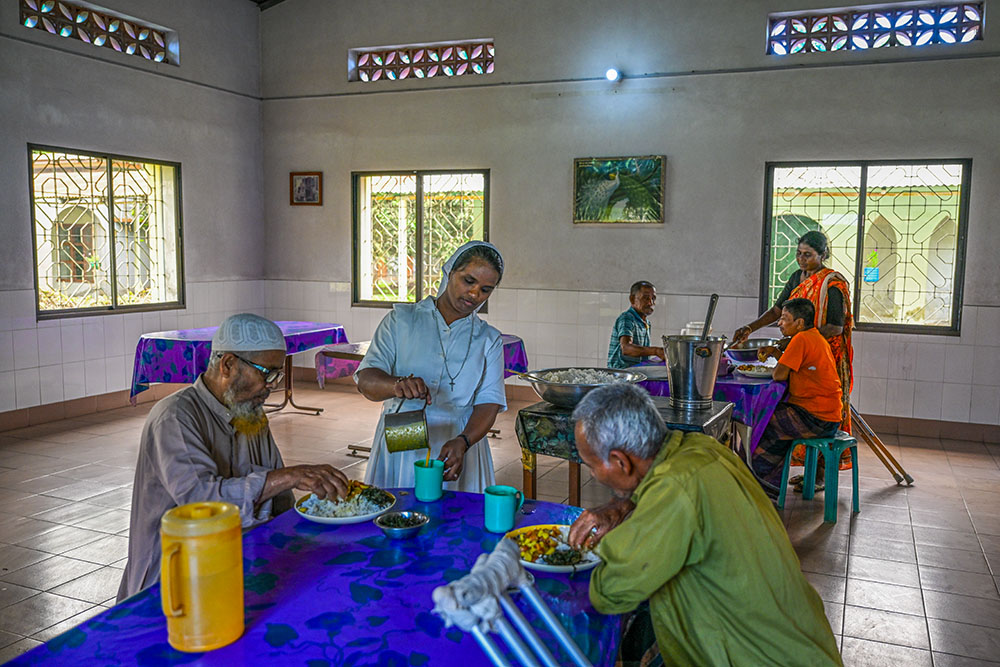
Staff members serve meals in the communal dining hall. The center provides full nutritional support for all residents. (Piyas Biswas)
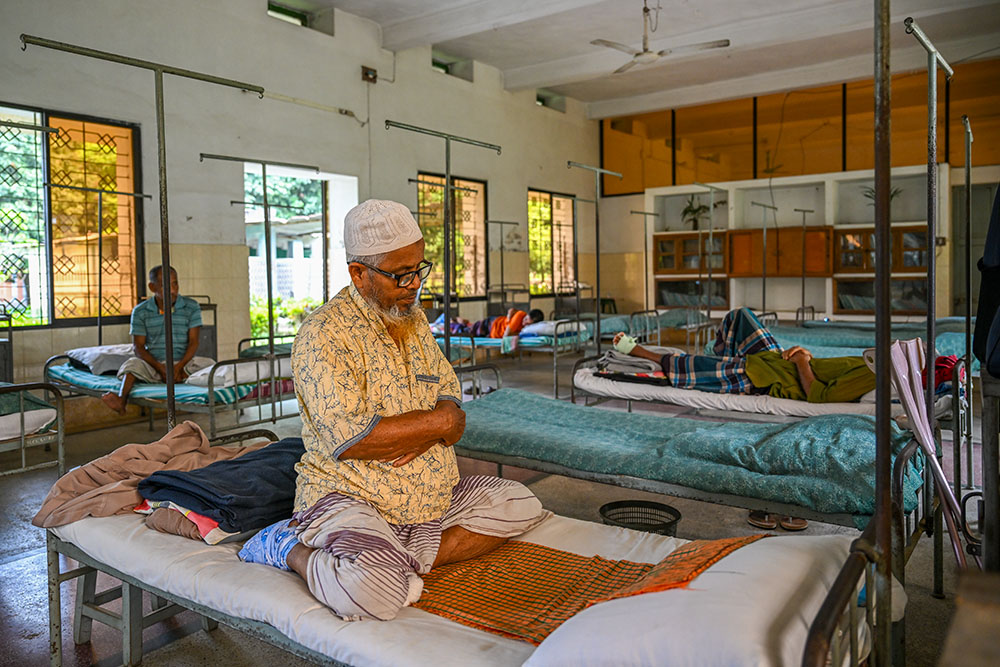
Abdul Samad, 70, performs his afternoon namaz at the center. The facility accommodates the diverse religious practices of its patients. (Piyas Biswas)
For many patients, the simple act of sharing space with others who understand their struggles is a profound part of healing.
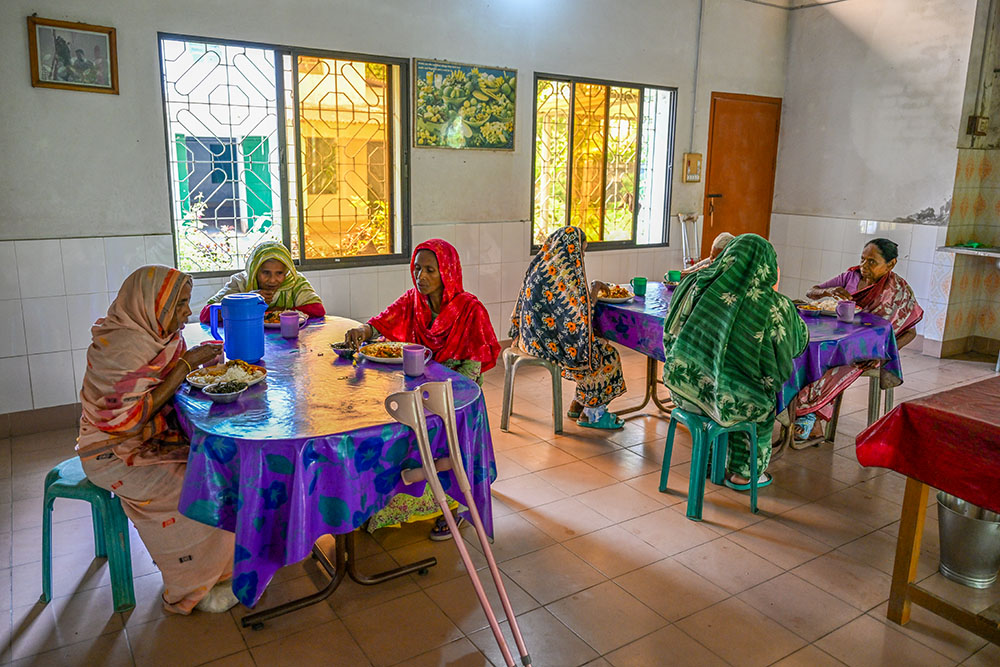
Patients share a meal and conversation. The communal setting helps combat the deep social isolation many feel after being rejected by their home villages. (Piyas Biswas)
For the religious sisters who dedicate their lives to this mission, the physical work of caregiving is deeply intertwined with their spiritual vocation.
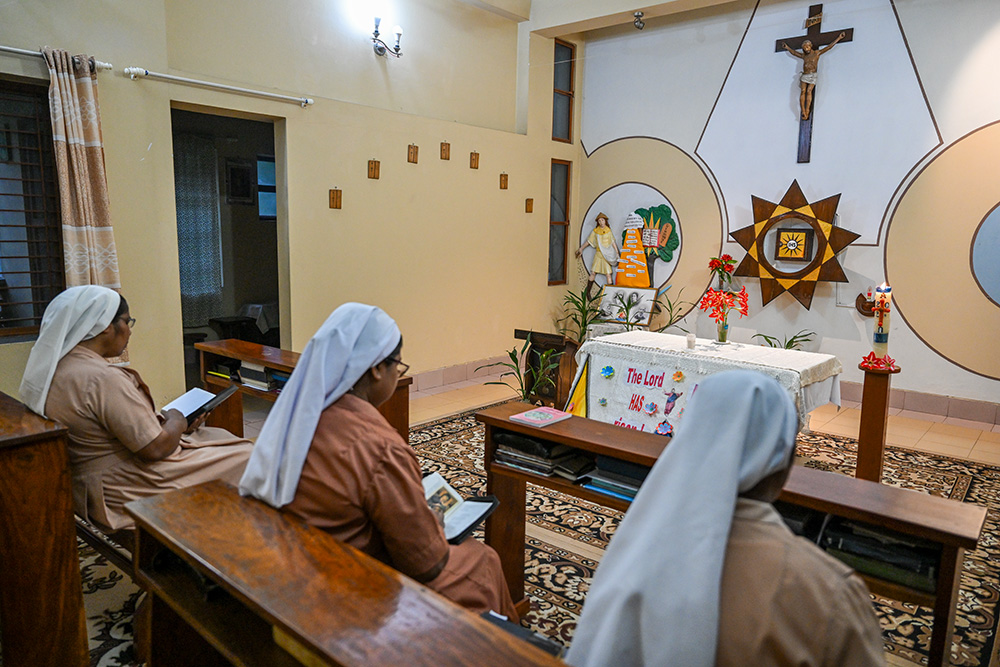
In the evening, Sr. Sujatha Kattula returns to her convent for prayers with her community. Her spiritual life sustains her work with the patients. (Piyas Biswas)
The ultimate goal of the Dhanjuri Leprosy Center is to ensure every patient is successfully treated, rehabilitated and reintegrated into society, with their dignity restored.
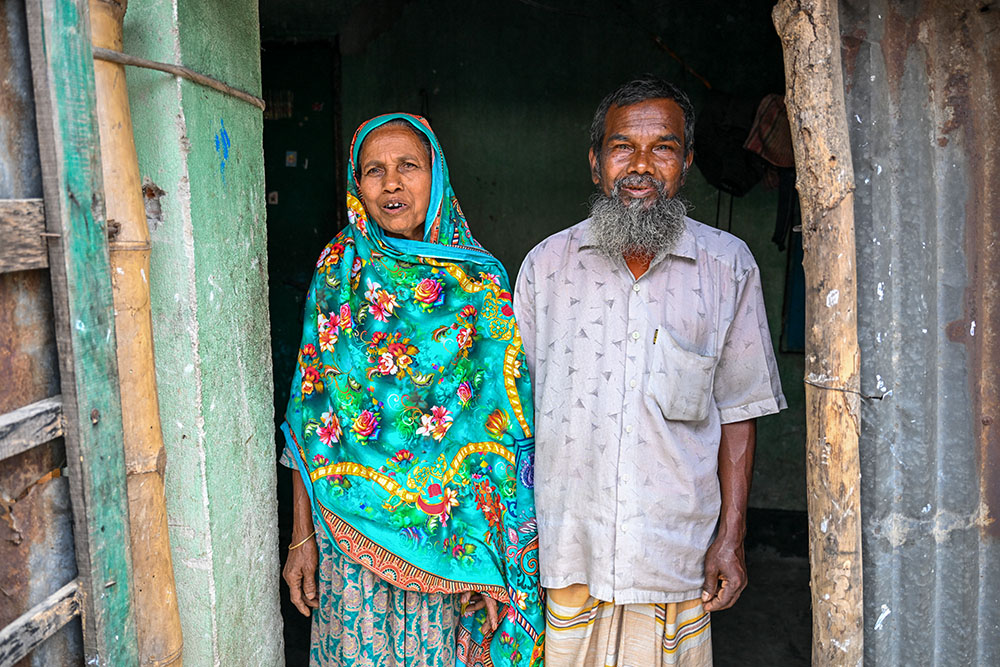
Mohmmad Montu Sarkar, 63, poses with his wife in front of his home. After a year of treatment at the center, Sarkar was able to return to his family and lead a normal life. (Piyas Biswas)
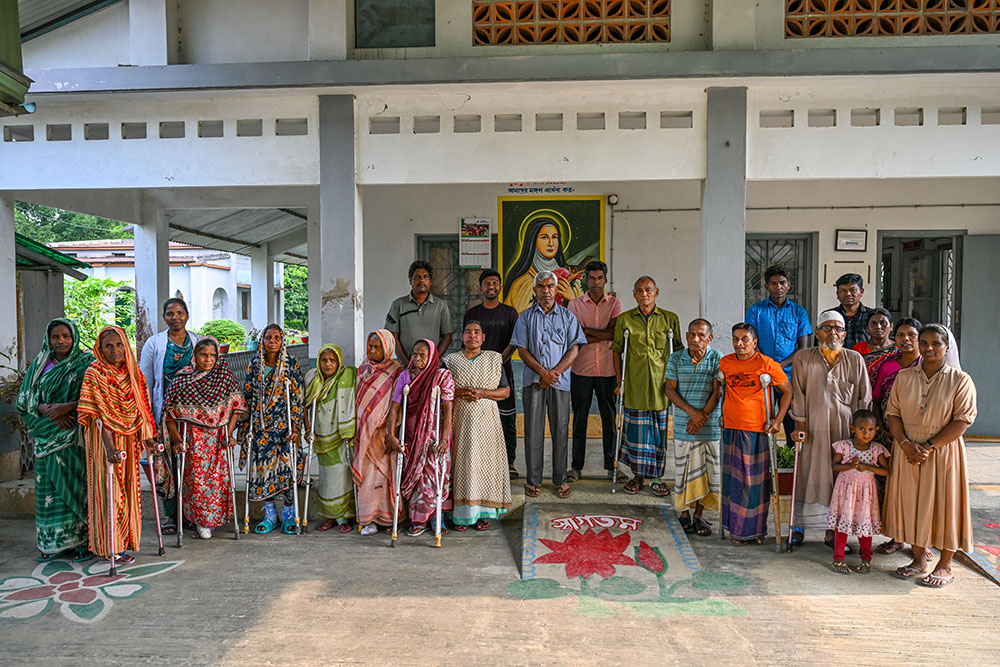
Patients and staff pose for a group portrait. Together, they represent a resilient community dedicated to a leprosy-free future. (Piyas Biswas)