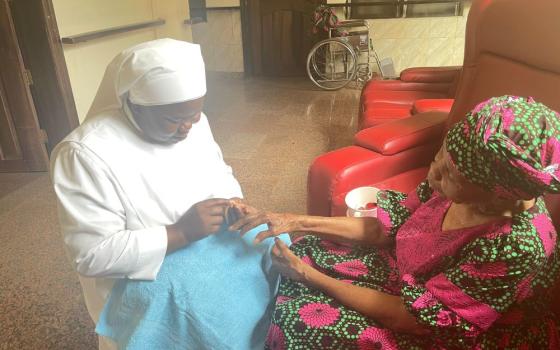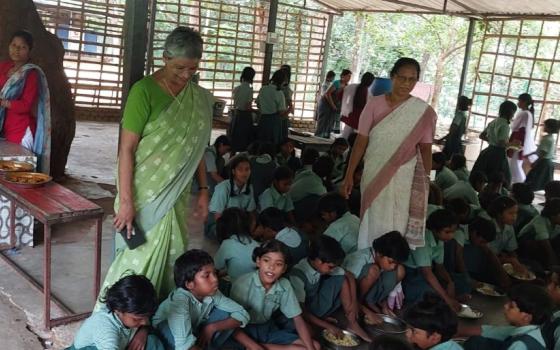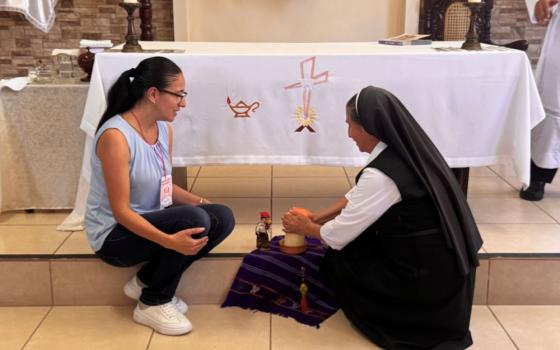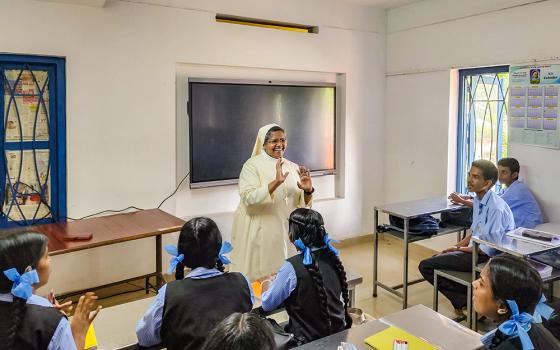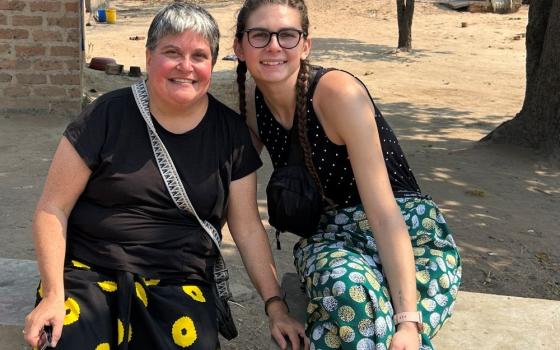
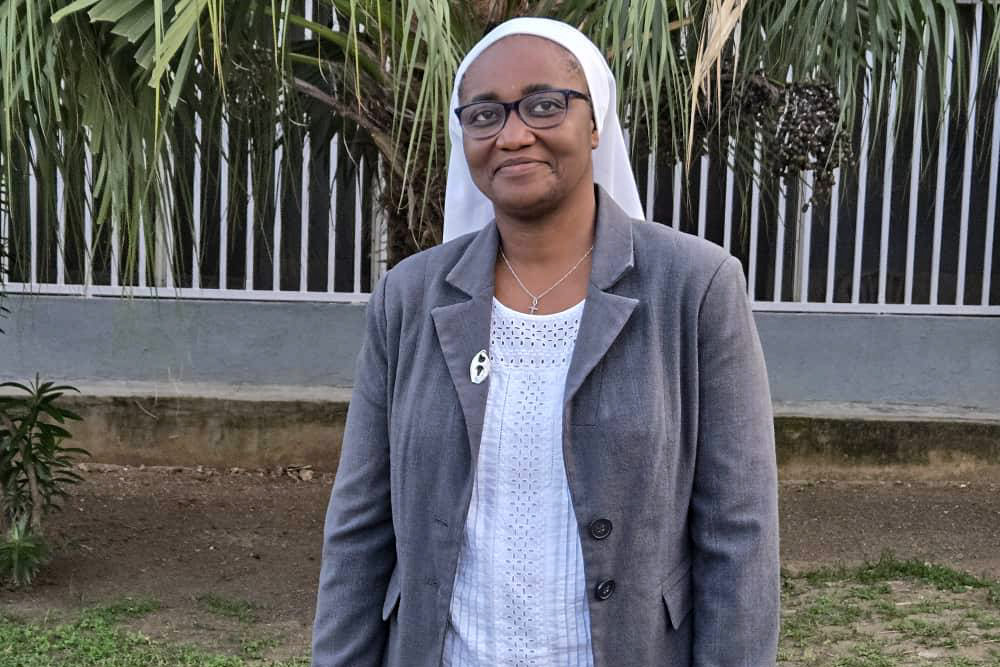
Sr. Gladys Dimaku, a Sister of the Medical Missionaries of Mary, draws on decades of pastoral, medical and intercultural experience to serve those most in need at St. Teresa Clinic in Lagos, Nigeria. (Courtesy of Gladys Dimaku)

by Valentine Benjamin
In the frenetic urban landscape of Amukoko — one of Lagos' most densely populated waterfront communities — Sr. Gladys Dimaku, a Sister of the Medical Missionaries of Mary, brings a global perspective to the struggles of the local population, and a distinctly Nigerian perspective to her vocation.
Born on Dec. 14, 1977, in Niger State and raised in Lagos, she is the third of nine children. She grew up in a household shaped by both discipline and care, guided in part by the example of her late father.
Dimaku joined the Medical Missionaries of Mary in 1996 and made her first profession in 1999. A trained nurse-midwife, she served in northern Nigeria before becoming health coordinator and later area leader for West Africa in the congregation. In 2014, her congregation missioned her to Salvador in the state of Bahia, Brazil, where she spent seven years working in development.
In Brazil, she coordinated Projeto Consolação, supporting families torn apart by urban violence. She also led a school health program in communities affected by drug use, using English classes as an entry point for a behavior change campaign that helped young people gradually overcome addiction.
"You don't impose solutions," she said. "You help people discover their own strength."
'Trust is built slowly, as patients see that their information is protected, that they are not spoken about carelessly, and that they are treated as whole persons, not as diagnoses.'
—Sr. Gladys Dimaku
Just as she was preparing to return to Brazil, the COVID-19 pandemic struck. In 2022, she was redeployed to West Africa. In 2023, she went to Ireland to further her studies. Once again assigned in Lagos and back on the front lines, she now runs St. Teresa Clinic, formerly called Community Health Project, a primary healthcare facility in Lagos where patients receive preventive and curative care with special attention to HIV and tuberculosis.
Dimaku draws on decades of pastoral, medical and intercultural experience to serve those most in need.
GSR: St. Teresa Clinic was formerly known as the Community Health Project. Can you tell us the story behind this transition and how it has shaped the clinic's identity, mission and relationship with the community?
Dimaku: The clinic is over 42 years old, and over time the community health aspect of its work has become more prominent. Its original name was St. Teresa Clinic. As it began to offer more services, the growing community focus inspired the name "Community Health Project." We reverted to the original name while continuing diverse services, including addressing gender violence, safeguarding, empowerment, human trafficking and more. The clinic has grown from basic healthcare to multiple projects lasting three to five years, involving community members.
We are a day clinic focusing on preventive care — immunization, outreach, maternal support, health education. We serve a deprived slum area with grants from Misean Cara. One of the key aims is to combat open defecation by building toilets amid Nigeria's high rates of sanitation issues. As needs expanded, we added HIV and TB services, with the clinic acting as a DOTS [Directly Observed Therapy, Short-Course] center for tuberculosis. We do not provide ART [antiretroviral therapy] on-site, but we refer clients to partner facilities for HIV treatment.
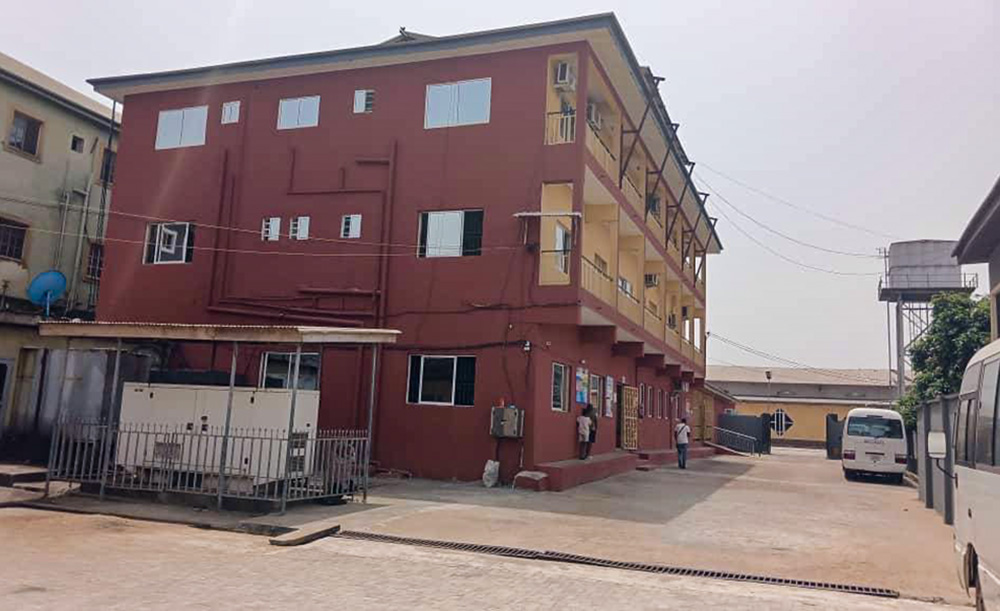
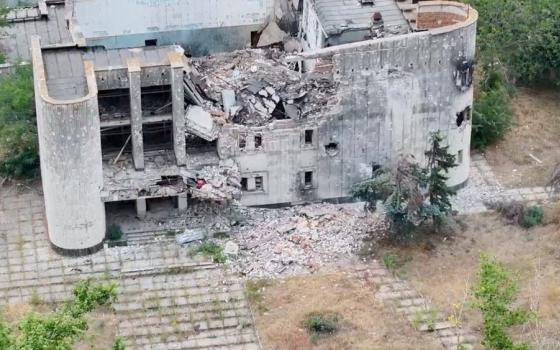
The building housing St. Teresa Clinic, where Sisters of the Medical Missionaries of Mary provide preventive and curative services, with special attention to HIV and tuberculosis care, for clients in Lagos, Nigeria (Courtesy of Gladys Dimaku)
This transition was not just a name change. It represented institutional strengthening, improved governance and accountability, stronger partnerships (including with donors), and better integration into national public health frameworks.
The community still uses our older names; it is difficult to change this completely. Locally, we are also known as "Fada" because the clinic is situated within the church. The project originally belonged to the archdiocese, and the St. Patrick's Fathers helped start it as missionaries. To this day, when people say they are going to "Fada," everyone understands they mean St. Teresa Clinic/Community Health Project.
The new identity clarified the clinic's mission — not only to provide episodic care, but to serve as a stable, trusted healthcare institution within the community. Importantly, the community feels ownership and sees us balancing faith-based compassion with professional standards.
As Medical Missionaries of Mary, our global involvement and founding dream continue to guide us.
You work closely with patients living with HIV and tuberculosis, illnesses that still carry heavy stigma in Nigeria. How do you create an environment of trust and dignity for patients who may be afraid to seek care?
Stigma around HIV and tuberculosis in Nigeria remains deeply rooted in fear, misinformation and moral judgment. Part of what keeps people from coming forward is the fear of being stigmatized and judged. With HIV in particular, people often assume that anyone who contracts it must be promiscuous.
Here at St. Teresa Clinic, we uphold the dignity of every person through strict confidentiality, nonjudgmental counseling, and staff training in compassion. Our mission and value statements emphasize compassionate care and compassionate communication.
Advertisement
We also run peer support networks and support groups. During group meetings, we provide health talks, ongoing treatment, and, where needed, transport reimbursements. We still carry out some home-based care visits to ensure that patients are taking their medications. We also maintain consistent follow-up.
Trust is built slowly, as patients see that their information is protected, that they are not spoken about carelessly, and that they are treated as whole persons, not as diagnoses. As this trust grows, stigma begins to loosen its grip.
As a woman religious leading a primary healthcare facility in Lagos, what unique role do you believe sisters play in Nigeria's public health system, especially among underserved populations?
The role of women religious in Nigeria's public health system is truly invaluable. We occupy a unique position within the healthcare landscape, often serving in areas where infrastructure is minimal.
I recall working in Niger State at a clinic that was the only healthcare facility, offering maternity services with the next referral 45 minutes away. We organized emergency transport overnight, despite challenges like poor roads, no water and no electricity. We stayed for over 40 years because of our dedication; without women religious, no one would have stayed. Even locals tend to leave once they get the chance to seek better opportunities elsewhere. Despite unstable funding, we keep doing our best.
Here in Lagos, although some funding has been withdrawn and challenges persist, we haven't scaled back our services significantly. We continue serving where government support is limited, bringing long-term commitment, resilience and moral authority rooted in service. ...
Also, we bring professional healthcare expertise. Considering all the sisters who've served at St. Teresa Clinic over the past 42 years — Irish, English, American, Nigerian, Tanzanian and others — the combined experience and professional skill are remarkable, greatly enhancing the quality of care.
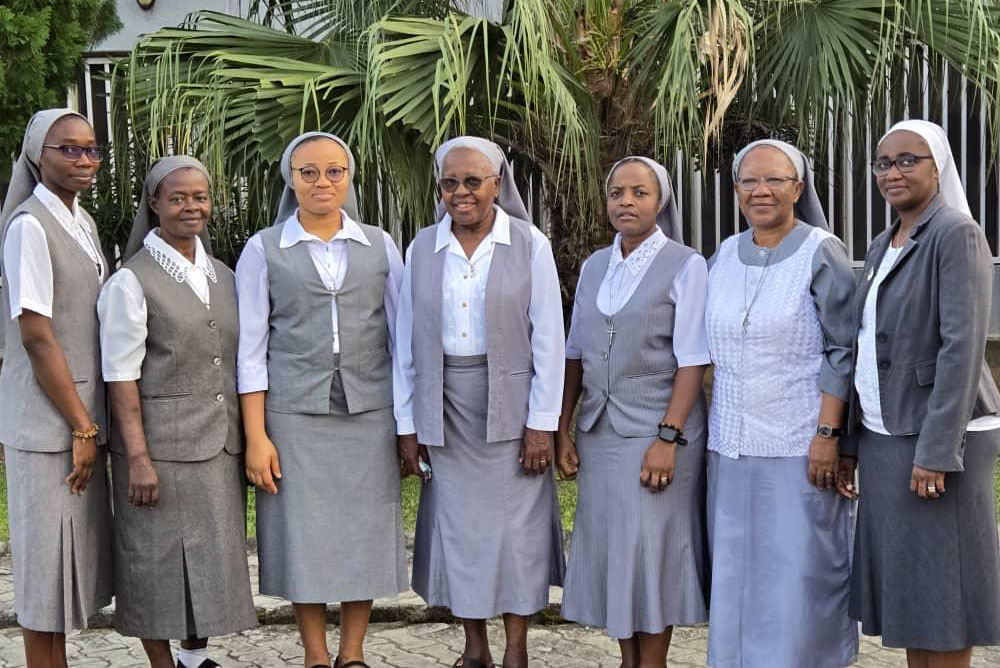
Sr. Gladys Dimaku, right, and other sisters who work at the St. Teresa Clinic, formerly called the Community Health Project, in Lagos, Nigeria (Courtesy of Gladys Dimaku)
We see increasing cases of malnutrition, which is heartbreaking in a country with rich farmland. Daily struggles involve feeding patients, transport costs, and referrals, but prayer and community support sustain us. Faith provides strength amid difficulties, reminding us that hope and perseverance can transform brokenness.
Looking ahead, what are your hopes for St. Teresa Clinic and what message would you like to share with young women discerning religious life as a path of service and leadership?
My hope and dream is that we will continue to be a voice for the voiceless and a source of hope for the hopeless within our community.
It is a wonderful thing when a mother returning from work is hopeful she will find her child alive and well, when a child regains confidence after experiencing stigma, or when a patient no longer has to hide to take medication, and their family's dignity is restored.
Healing is relational, social and spiritual. I also hope that young people in this community will begin to see the need to respond to God's call. I cannot do this alone, nor can the sisters currently here. I am only a mouthpiece for the Medical Missionaries of Mary at St. Teresa Clinic — we work as a team. I hope that one day members of this community will also respond and give back to their own people.
Looking ahead, I hope we can expand our diagnostic capacity, strengthen maternal and child health services, secure sustainable funding, improve infrastructure, build stronger community health outreach, and develop a robust safeguarding and maternal health program.
Ultimately, I hope the clinic always remains a place where the poorest feel safe. As Medical Missionaries of Mary, we have a policy that no one is turned away from our facility because they cannot pay. We set aside resources to care for those who are unable to afford treatment.
To young women discerning religious life, I would say: Religious life is not withdrawal; it is courageous engagement. It demands intellectual rigour, emotional maturity and professional excellence. It offers leadership grounded in service. If your heart is moved by injustice, if you are drawn to both prayer and action, if you desire to stand with the vulnerable, do not be afraid. Service rooted in faith can transform communities — and it will transform you, too.