(Unsplash/Aniyora J)

by Sr. Nameeta Renu
The ups and downs of the conflicts in the Middle East and the Gulf are testing our hopes for peace. Supply chains for fuels have strained owing to blockages faced by ships trying to pass through the Strait of Hormuz, the most critical maritime energy checkpoint in the world. I have noticed how, over the past several months, I have been consciously trying to save energy by cutting back on petrol for my two-wheeler and watching my use of liquefied petroleum gas, or LPG, for cooking.
With more households switching to induction cooktops to cope with gas shortages, local power grids are now prone to overloading, and electricity supply fluctuates unpredictably, affecting the safety of electrical appliances. Obviously, power supply bills have skyrocketed for many. This is a faint echo of a very loud, very distant war.
Since cooking gas is strictly rationed, migrant workers in cities have tried to return to their villages as LPG shortages make urban living untenable. They know they will at least be able to use firewood and feed their families back home. Moreover, the shortage of workers is making daily tasks difficult for those depending on domestic help. Hotels have been cutting their menus or shutting down altogether, slowly adding to unemployment.
The war "out there" is a "crude" shock in the most literal sense. Every escalation between the United States and Iran sends oil prices lurching, and the effect travels very fast: the Indian rupee weakens against the dollar, and stock markets swing. I have seen how years of steady mutual fund growth gets wiped out overnight due to the sudden and heightened geopolitical tensions.
The supply of fertilizers is also affected. Thus, inflation that starts in oil markets ends up on the dining table, in rural farmlands and urban households alike. Meanwhile, AI-driven job losses compound the squeeze. In this context, the finance minister and her team have been calculating how to cushion a series of overlapping crises. The Reserve Bank has been absorbing losses for quite some time, and the prime minister has asked citizens to defer nonessential imports and foreign travel, and to conserve fuel and edible oil.
Advertisement
It would be easy to read this as a story about markets and ministries, but the conflict's real weight is carried, most days, by ordinary people — those deciding whether to walk or take a vehicle, whether to combine three errands into one trip, or whether to line up again for a cooking gas cylinder that hasn't arrived. I see people choosing public transport over their scooters, carpooling with neighbors, timing their cooking around power cuts and doing it all with a smile.
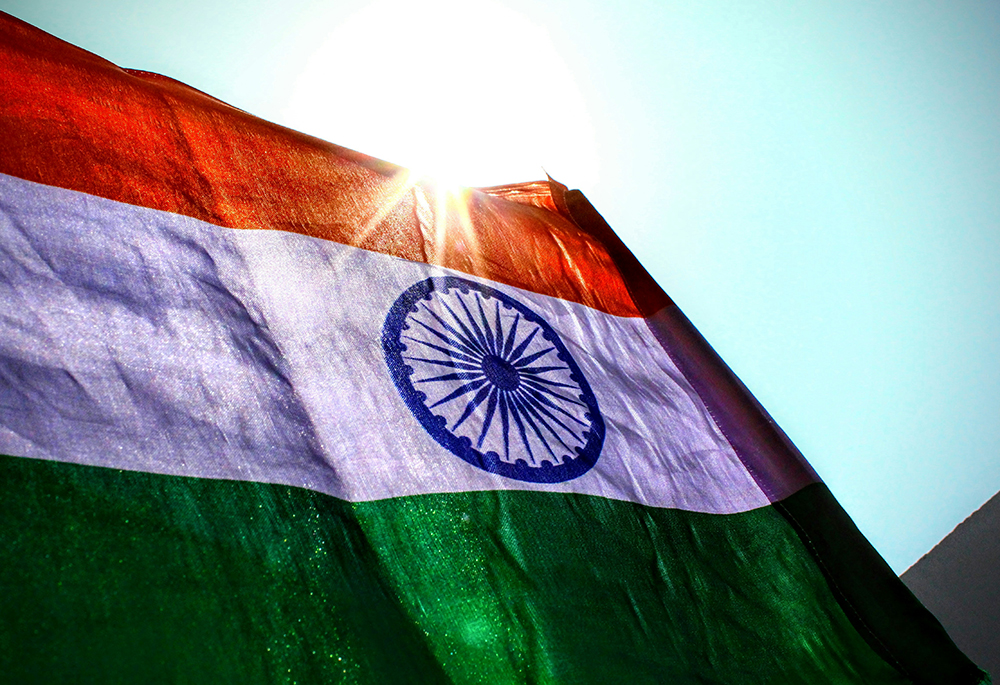
Indians are known for "desi jugaad," or frugal innovation and makeshift workarounds using whatever limited resources are immediately available. Give them the chance, and I suspect more than a few would rig up a potato battery to keep a bulb burning if that's what it took. It is an instinct for stretching a little further, honed by decades of managing tight budgets, and tighter kitchens, long before "energy conservation" became a buzzword.
Recently, I saw a short reel in which a tailor successfully beat the summer heat by tying pieces of leftover cloth on the handwheel of a sewing machine to fan herself as she worked. Farmers mount solar panels on bullock carts or tractors to run water pumps to save on electricity bills. Garages convert petrol-powered motorcycles into electric vehicles that can cover dozens of kilometers every day on minimal electricity. To deal with the LPG crisis, some people use "rocket stoves" powered by 5-volt power banks. Some have converted their plastic water tanks into biogas plants.
As I reflect on the geopolitical scenario, I cannot help but feel amazed by how ordinary people, especially the poor, live through crises without much fuss. They are often closer to the natural world and become experts in practical physics through lived experience. Necessity is, indeed, the mother of invention.
This same resourcefulness has much to teach us. How could we apply it to consecrated life in today's India? How do we live through the energy crisis in the spirit of the Gospel? Maybe these challenges are not merely about survival but are a call to deepen our commitments and give a prophetic witness to detachment from material comforts while finding joy in the essentials. It is a call to lower consumption, minimal waste, and greater sharing of resources. Pope Francis' encyclical Laudato Si' is an inspiration that can help us adopt more sustainable lifestyles.
Sisters could reinterpret traditional religious practices through the lens of integral ecology because spiritual health, social justice and the environment are all interlinked. The evangelical counsels could take on fresh, transformative meanings through this lens. Finally, the energy crisis must stir us to think about what we are leaving for future generations.