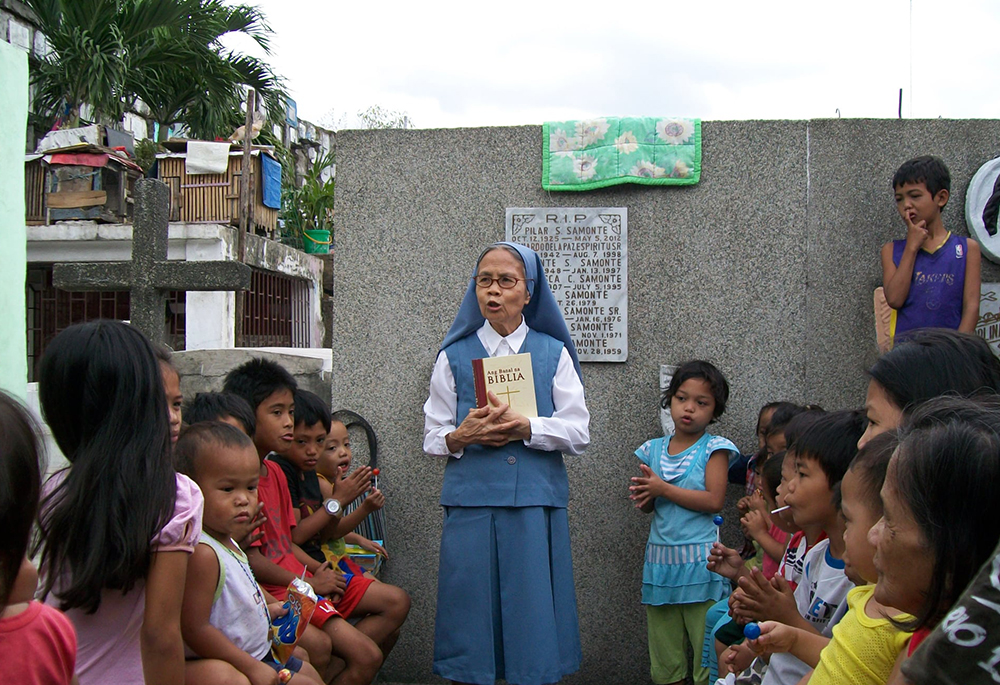
Sr. Evangelina Canag teaches Bible lessons to children living inside a public cemetery in Manila in 2008. (Courtesy of Daughters of St. Paul)

by Oliver Samson
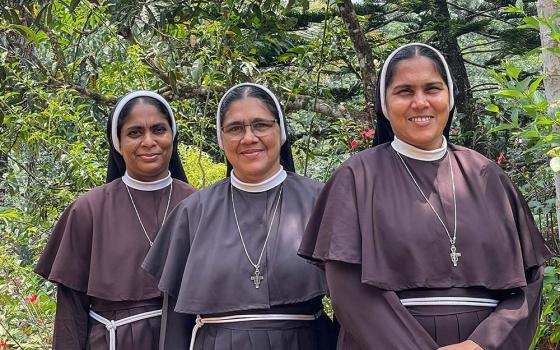
Sr. Evangelina Canag led the Daughters of St. Paul in the Philippines as provincial superior for nine years, guiding the congregation during the final years of the dictatorship of Ferdinand Marcos, through the 1986 EDSA People Power Revolution, and into the presidency of Corazon Aquino. She recalls two sisters from her congregation who stood before a tank during the uprising — one has since passed away, the other still lives.
Now 85, her mission field looks very different.
Since 2008, she has accompanied families living inside a public cemetery, teaching Bible lessons at tombs, and finding sponsors for children's school allowances and food.
GSR: When did you first begin visiting the cemetery community?
Sr. Evangelina Canag: It was in 2008. It is part of our mission to go to "mga nasa laylayan ng lipunan" — those on the margins — to spread the good news. We give preference to the poorest of the poor.
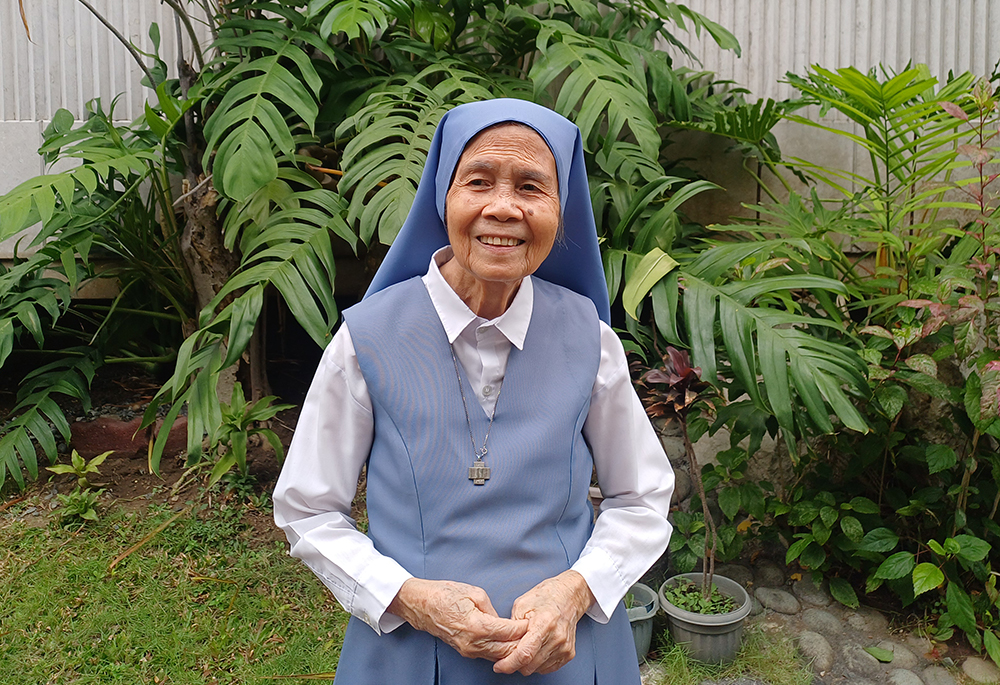
Sr. Evangelina Canag of the Daughters of St. Paul is pictured at the congregation's central house in Pasay City, Philippines. (Oliver Samson)
Many families were living inside the cemetery itself. At that time, there were about 100 families. Some stayed outside as informal settlers, but many were inside, living in mausoleums. They took care of the tombs and were paid by families of the departed. That is where they cooked and slept.
How did your ministry begin there?
We taught Bible lessons to children and adults at the tombs. We brought food for them. It was difficult to teach there, so eventually we invited them to come to the convent. Around 2018, they started coming here every month.
At present, eight families come regularly.
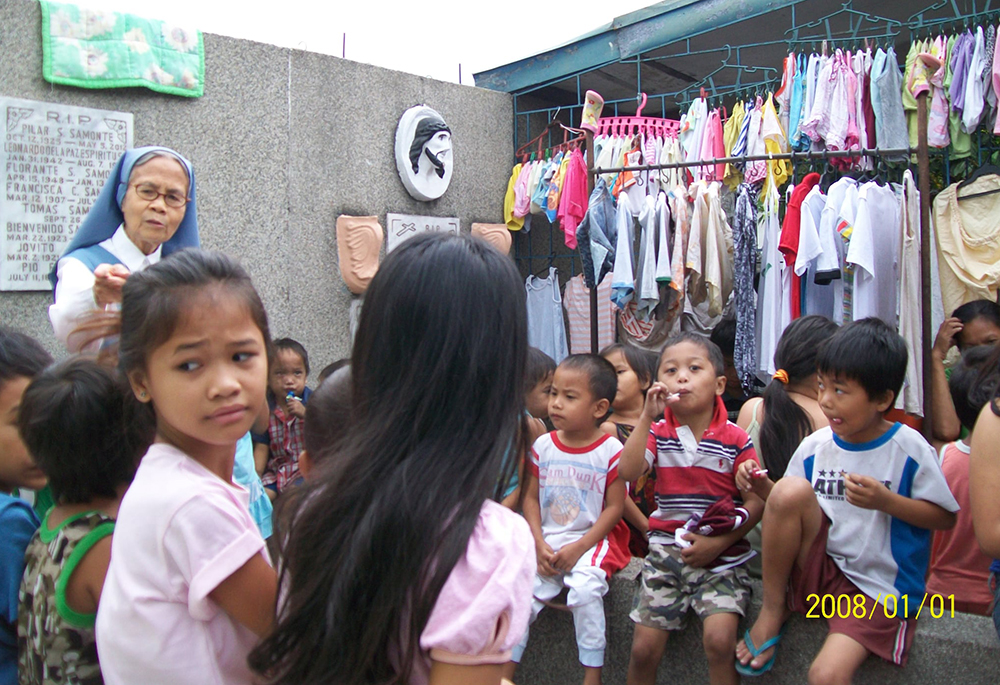
Children living inside a Manila cemetery gather during one of Sr. Evangelina Canag's early visits in 2008. (Courtesy of Daughters of St. Paul)
Why did you begin supporting the children's schooling?
I noticed some children were not attending school. When I asked why, one child answered, "Nagugutom po ako" — "I am hungry." He said he had no "baon" (school allowance).
So we looked for sponsors. We began supporting one child at a time so they would have allowance for school. Sponsors give for one school year, and we release the allowance monthly to the parents.
Sometimes, because of poverty, the mother uses the allowance for other urgent needs. That is reality.
Now, 12 children receive school allowance. Three are already in college.
Advertisement
What are family situations like?
Some families inside and outside the cemetery are broken families. When you ask the parents about their livelihood, some answer, "Diskarte lang" — "just whatever we can manage."
That is why we encourage the children to study hard. We help them not because they are intelligent, but because they need help to have a better life.
What is your mission in continuing this ministry?
It is our mission to evangelize. We give them preference because they are poorer than other poor communities. We also have ministry in slum areas, but even in slums, families have houses.
We bring them closer to God. At least through our small acts of kindness, they may believe that there is a God who loves them.
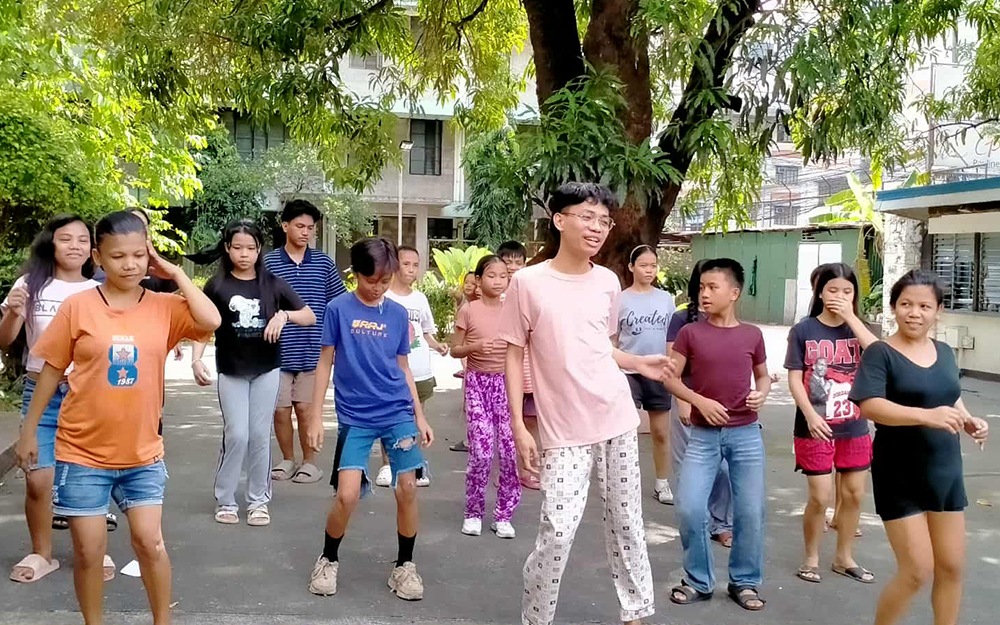
Children from the cemetery community participate in activities during a monthly gathering at the Daughters of St. Paul's central house in Pasay City. (Courtesy of Daughters of St. Paul)
How did the community respond when you first went there?
The children were happy. They liked the sisters, especially because we brought food. We also found sponsors for their meals.
Our first conversations with the children were immediately about God. We taught them prayer and catechism. We gave them activities like coloring.
At first, they came for the food. Later, they came for Bible study.
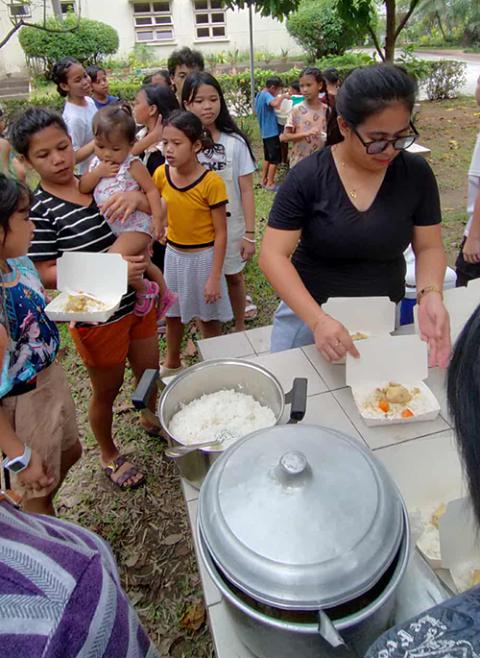
Children from the cemetery community receive a meal during a monthly gathering at the Daughters of St. Paul's central house in Pasay City. (Courtesy of Daughters of St. Paul)
What happens during the monthly gatherings now?
Once a month, they come here. Sometimes they walk about 2 kilometers because they can't afford transportation fare. I am happier now that they are the ones coming. It is a sacrifice for them.
The younger children color and run around. The older ones learn Bible stories and pray the rosary. We combine Bible study, prayer and play. They eat here. Children will not listen if they are hungry.
I see changes in them. They have better manners. They take care of their hygiene.
Do the children understand what is happening in society?
Yes. One time we asked them about the animals in paradise. One child answered, "Buwaya" — crocodile — referring to corrupt officials.
They are aware. Even if they are homeless, many have cellphones. I learned to use a cellphone only when I was 80 years old.
What are the families' main concerns today?
They worry about being evicted and relocated to distant areas. They do not know where they would go. Some earn a small income by maintaining mausoleums. If they are moved far away, it will be difficult to find work and for the children to continue schooling.
Will you continue this ministry?
Yes. We will continue. We will look for more sponsors because some children still do not have school allowance. When they see other children receiving support, they also hope.
I also hope the government or NGOs can provide livelihood and skills training for the families so they can improve their lives.