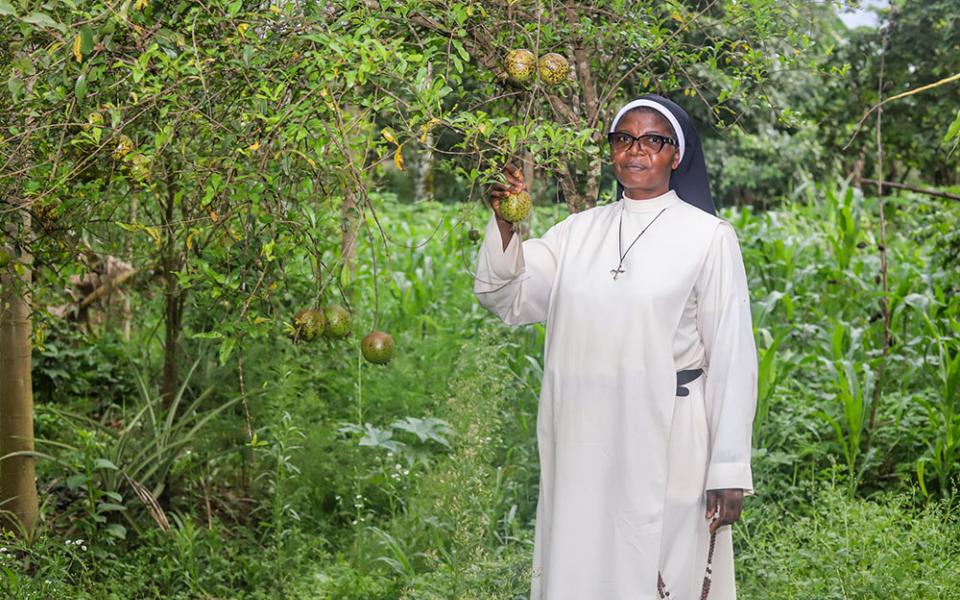
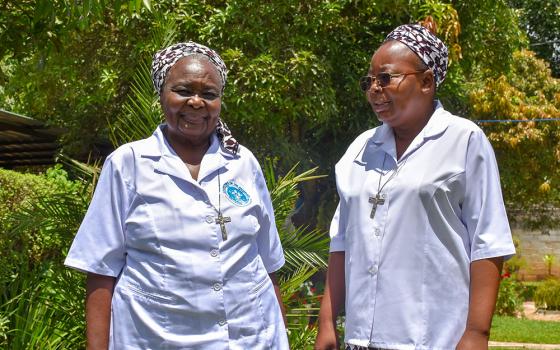
As COP31 approaches, Catholic sisters' struggling biogas initiatives at the Monastery of St. Dominic in Cameroon reveal the fragility of grassroots climate action in communities strained by war and poverty.
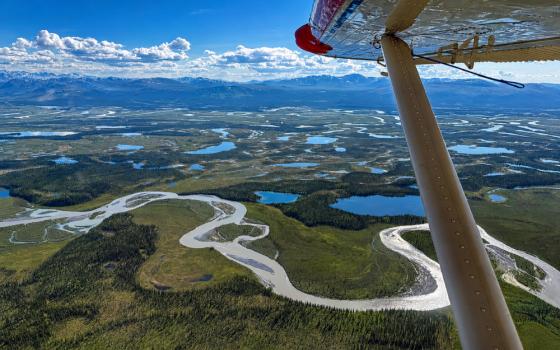
With oil drilling threats looming in a federally protected reserve the size of South Carolina, faith leaders hope to reframe the Arctic as an ecosystem essential to life.
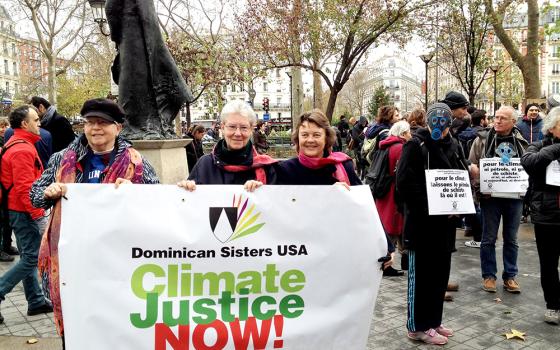
In the face of decades of papal teachings about the reality and urgency of climate change, U.S. sisters have been leaders on environmental action. In contrast, U.S. bishops have largely not been creation care leaders.
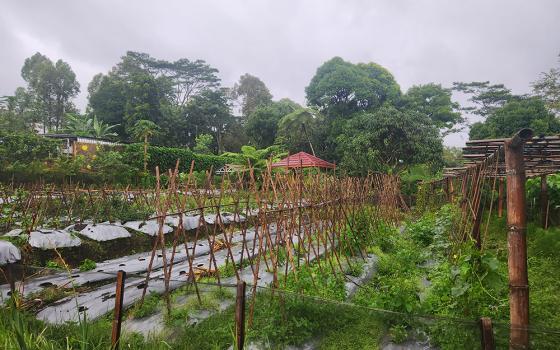
While reporting in Indonesia, international correspondent Chris Herlinger finds sisters responding to natural disasters, poverty and women's issues, all on one small island.
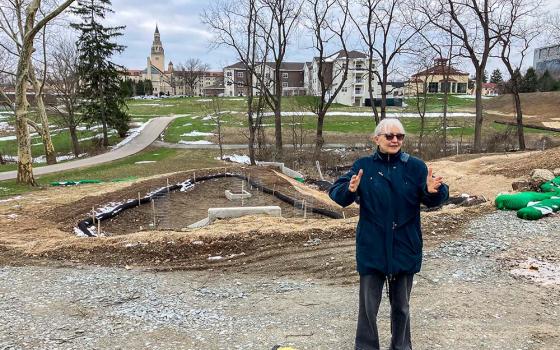
The Rachel Carson Ecovillage needed land, and the Sisters of Divine Providence near Pittsburgh were trying to sell 8 acres. As the sustainable housing project got underway, the two groups became partners in mission.
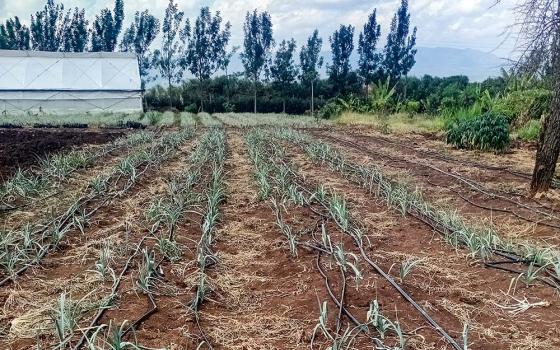
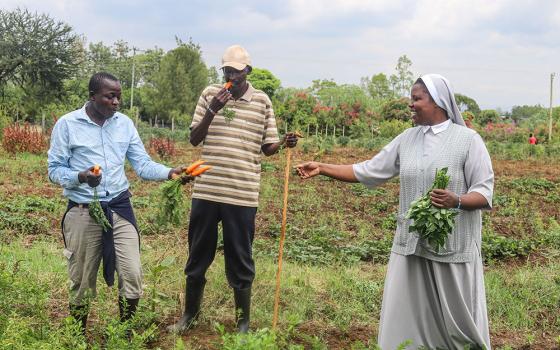
On Kenya's fragile plains south of Nairobi, where drought has killed millions of livestock and hunger is spreading across the dry lands, Maasai farmers and Catholic sisters are reshaping how communities survive.
In 2022, the Daughters of the Redeemer launched the Community Transformation Programme, which supports five Zambian villages with agricultural mentorship, nutrition programs, and water, sanitation and hygiene activities.
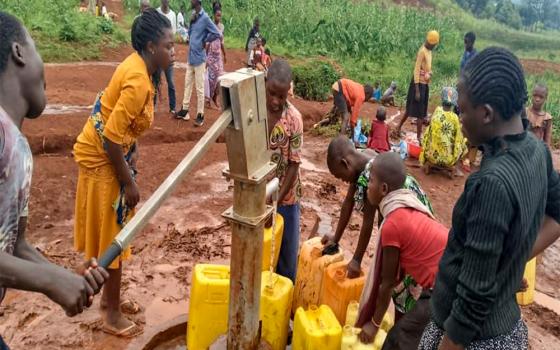
The day we inaugurated a protected water source in a village in Congo, women sang. Children danced. One elder said, "Today, our daughters get their future back." Moments like this remind me why this work is sacred.